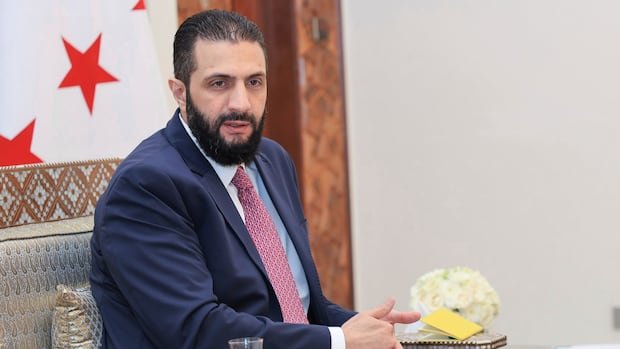

Syria is gearing up for parliamentary elections this Sunday, marking the first such event post the ousting of long-standing autocratic leader Bashar al-Assad in a rebel uprising back in December. During the Assad dynasty’s five-decade reign, Syria conducted regular elections open to all citizens. However, the ruling Baath Party led by Assad always held sway over the parliament, rendering the elections widely seen as mere charades.
Despite the upcoming elections not being a fully democratic process, they serve as a gauge of the interim authorities’ commitment to inclusivity, particularly concerning women and minorities. The People’s Assembly, consisting of 210 seats, will see two-thirds filled through votes by electoral colleges in various districts, with the remaining third appointed directly by interim President Ahmed al-Sharaa.
The exclusion of Sweida province and Kurdish-controlled areas from these elections has raised concerns about minority representation. The lack of a popular vote has sparked criticism for being undemocratic, with authorities citing challenges in creating an accurate voter registry due to the massive displacement of Syrians during the 14-year civil war.
While the interim government has dissolved all existing political parties affiliated with the previous regime, it has not yet established a system for new party registrations, forcing all candidates to run as individuals. The absence of clear criteria for elector selection has also drawn scrutiny, leading to allegations of potential manipulation in the electoral process.
Furthermore, questions remain about inclusivity, as there are no specific quotas for women and minority representation. The elections committee reported that women comprised 14% of the final candidate lists. The ongoing sectarian violence and the exclusion of certain regions have fueled concerns about minority participation and fair representation in the parliament.
The interim government aims to use the appointed legislative members as a means to enhance inclusivity in the parliament, particularly for underrepresented groups. However, challenges persist, especially concerning the representation of excluded regions, highlighting the ongoing tensions between local authorities and the central government in Damascus.