
Israel’s government has officially approved a ceasefire agreement with Hamas, the Palestinian militant group. This move paves the way for a cessation of hostilities in Gaza within 24 hours and the release of Israeli hostages held in Gaza within 72 hours. The Israeli cabinet endorsed the deal early on Friday, approximately a day after mediators announced an accord to liberate Israeli hostages in exchange for Palestinian prisoners. This marks the initial phase of U.S. President Donald Trump’s efforts to end the two-year conflict in Gaza.
Israeli Prime Minister Netanyahu’s official account confirmed the government’s approval of the hostage release framework, including both the living and deceased captives. The conflict has exacerbated Israel’s global isolation and triggered a regional showdown involving Iran, Yemen, and Lebanon. It has also strained the relationship between the U.S. and Israel, with Trump urging Netanyahu to expedite the peace process.
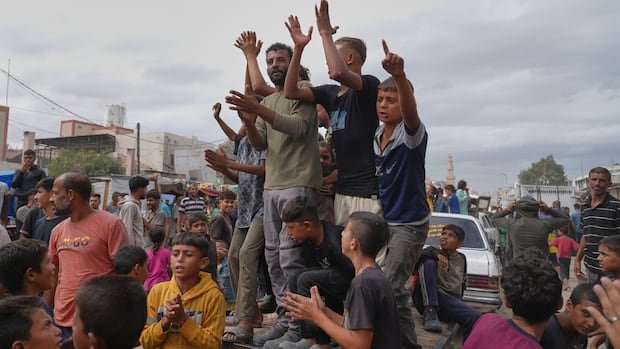
The announcement of the ceasefire sparked celebrations among Israelis and Palestinians, signaling a significant step towards ending the prolonged war that has claimed over 67,000 Palestinian lives, according to Gaza official figures. The agreement aims to secure the release of the last remaining hostages seized by Hamas in the initial deadly attacks that sparked the conflict.
In Gaza’s Deir al-Balah, the atmosphere shifted from the usual drone sounds to the joyful sounds of car horns and people engaging in conversations. Mahmoud Abdullah cautiously welcomed the deal, expressing hope that the era of bombings, drone strikes, displacement, and hunger was finally coming to an end.
Hamas’s Gaza chief, Khalil Al-Hayya, received assurances from the U.S. and other mediators that the war is officially over. The ceasefire is set to take effect within 24 hours of government approval, leading to the release of hostages in Gaza within the subsequent 72 hours.
Notably, there are 22 Israeli hostages believed to be alive in Gaza, while 26 are presumed deceased, including Hadar Goldin, who perished in 2014, with his remains believed to be in Gaza. Families of the hostages gathered at Tel Aviv’s Hostages Square to celebrate the impending release, reflecting a mix of relief and overwhelming emotions.
The ceasefire agreement also involves the cessation of hostilities, partial Israeli withdrawal from Gaza, and the release of all remaining hostages by Hamas in exchange for hundreds of Palestinian prisoners held by Israel. While the prospect of peace brings hope, challenges remain, including the uncertainty surrounding the release of Palestinian prisoners and the governing structure of Gaza post-conflict.
The accord, if fully executed, would bring the parties closer to peace than previous attempts. It envisions the influx of aid trucks carrying essential supplies into Gaza to alleviate the suffering of hundreds of thousands who have been displaced or lost their homes due to the conflict. However, uncertainties persist, including the unresolved issues of Palestinian prisoner releases and the governance of Gaza post-conflict.
As the region navigates the complexities of implementing the ceasefire, critical questions remain regarding the future ruling of Gaza, the fate of Hamas, and the withdrawal of Israeli troops. The agreement outlines the establishment of a transitional government to oversee daily operations in Gaza, excluding Hamas from any direct or indirect involvement. The oversight committee, known as the “Board of Peace,” would be chaired by Trump, with former U.K. Prime Minister Tony Blair also playing a role.
The path to lasting peace in the region hinges on the effective implementation of the ceasefire agreement and addressing the underlying issues that have fueled the conflict. While challenges persist, the ceasefire presents a significant opportunity for Israelis and Palestinians to move towards a more peaceful and stable future.