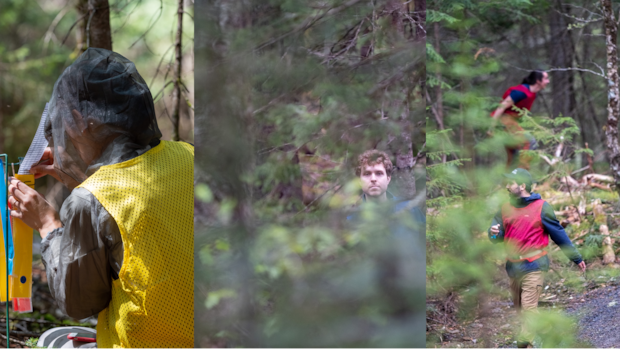

Université Laval ecologist David Bolduc, along with his colleagues and a group of international students, engaged in a unique study at Ãco-Laurentides park near Val-Morin, Que., to explore the intricate dynamics between predators and prey in nature.
In this experiment that took place in July 2023, participants were divided into three groups: prey, mesopredators, and apex predators. The prey’s objective was to secure resources, connect with their team members, and evade being captured by the predators. Meanwhile, the predators aimed to hunt down the prey.
The study, which simulated predator-prey interactions through a game of tag, revealed intriguing parallels between human behavior and wildlife strategies. Participants mirrored the survival tactics observed in animals, such as wolves and deer.
Although praised as an innovative approach to understanding ecosystems, researchers cautioned about the limitations of drawing direct comparisons between human simulations and real-life animal interactions, where survival is truly at stake.
By utilizing controlled scenarios with variable adjustments, the study provided insights into how predator-prey dynamics could unfold in different environments. However, the researchers emphasized the importance of confirming these findings through direct observations in natural habitats.
The study’s impact extended beyond scientific research, serving as an educational tool that sparked engaging discussions among participants about ecological theories and animal behaviors. Bolduc highlighted the game’s role in promoting a fresh and enjoyable perspective on ecological concepts for both learning and exploration purposes.