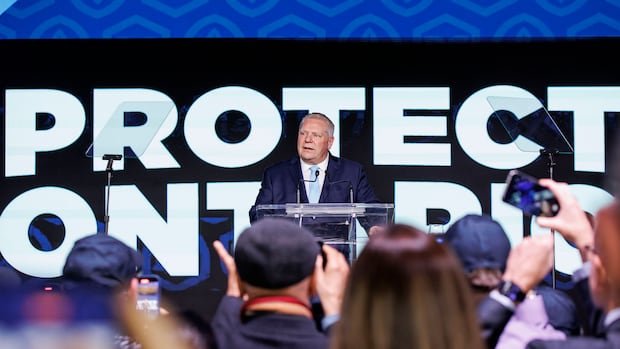

Ontario’s Progressive Conservatives dominated the spending race in the previous provincial election, outpacing their competitors by over $6 million. However, one of their main challengers pointed out that the ruling party had a significant advantage due to utilizing taxpayer-funded advertising months before the snap election.
Premier Doug Ford initiated the winter election to address threats of tariffs from U.S. President Donald Trump and successfully secured a third consecutive majority government in February. The PC Party led the spending pack with $15.3 million, surpassing the Ontario Liberals at $8.9 million, the Ontario New Democrats at $8.5 million, and the Green Party at $1.4 million.
Conservative strategist Mitch Heimpel highlighted the effectiveness of the PC Party’s campaign, noting Ford’s achievement as the first premier since the 1950s to secure three consecutive majority governments. Advertising emerged as the primary campaign expense for all major parties, with the Tories investing $7.6 million, followed closely by the Liberals at nearly $6.6 million and the NDP at $5.4 million, while the Green party allocated $750,000.
Critics, including Ontario Liberal Party president Kathryn McGarry, raised concerns about the government-funded advertising advantage enjoyed by Ford’s party before the official election period. Auditor General Shelley Spence’s report revealed a significant increase in government ad spending by the Ford administration in the fiscal year leading up to the election.
Despite the substantial financial outlay, political experts emphasized that money alone does not ensure electoral success. A compelling message and strategic communication with voters play crucial roles in winning elections. Targeted advertising on social media platforms and podcasts also emerged as influential tools for political campaigns, leveraging detailed user information to connect with potential voters.
The mandatory disclosure of party spending post-election revealed various expenditures, including the PC Party’s investment in branded merchandise and victory celebration events. The aftermath of the election saw challenges for both the Liberals and NDP, prompting internal evaluations and leadership considerations within the respective parties.
While financial resources are essential for electoral competitiveness, political acumen and effective messaging remain pivotal factors in winning over voters. The dynamics of campaign spending underscore the intricate interplay between resources, strategy, and public perception in the political landscape.