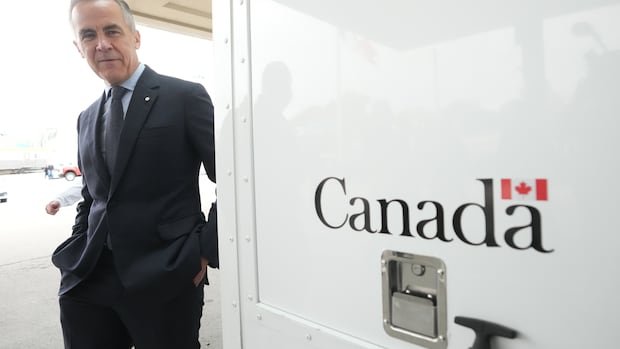

Five days prior to the inauguration of the new president, Justin Trudeau convened the premiers in Ottawa to address the impending crisis. Following the meeting, Trudeau emphasized a collective purpose, understanding, and commitment to move forward together. Ontario Premier Doug Ford commended the collaborative approach as a “Team Canada” effort.
While the premiers did not see eye to eye on all issues, Alberta Premier Danielle Smith notably opposed considering a surcharge on oil exports to the United States. Despite differing viewpoints, Ford highlighted the rare display of political unity among three parties, contrasting it with the divisive nature of U.S. politics.
Recent developments have shown signs of a less cohesive front. British Columbia Premier David Eby advocated for equal attention to the softwood lumber industry as the auto sector in Ontario. Conversely, the leader of Canada’s largest union suggested prioritizing the steel and aluminum industries over the auto sector.
Manitoba Premier Wab Kinew and Saskatchewan Premier Scott Moe urged the federal government to remove tariffs on electric vehicles from China to prompt reciprocal actions on canola tariffs. Ford, however, expressed concerns about the impact on domestic vehicle production, adamantly opposing the removal of tariffs on Chinese EVs.
Eby challenged Smith’s endorsement of a pipeline across northern B.C., leading to accusations of being “un-Canadian.” Ford questioned the federal government’s negotiation approach with the U.S., advocating for more assertive action against American tariffs.
The ongoing disagreements among premiers raise concerns about the effectiveness of Canadian negotiators in facing American demands. Suggestions for increased communication and collaboration, possibly through more regular meetings of the first ministers, have emerged to address the growing divisions.
Maintaining national unity amid external threats is crucial, with Prime Minister Carney emphasizing the importance of unity in the face of global challenges. As pressure mounts, the responsibility to unite the country falls on leaders at all levels, particularly on the prime minister, to effectively navigate negotiations with the U.S. and reshape the Canadian economy for the future.