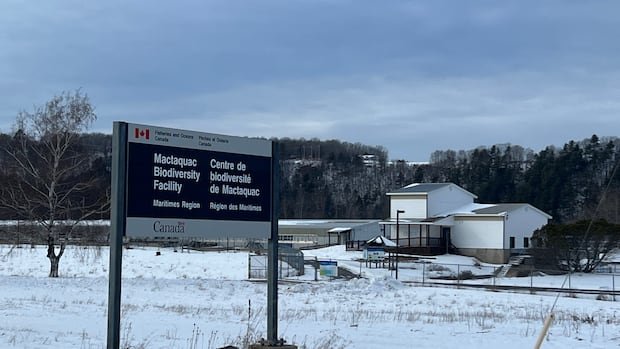

The closure of the Mactaquac Biodiversity Facility in New Brunswick by the federal government has sparked criticism from the Wolastoqey Nation, Atlantic salmon scientists, and conservationists. This facility, located in French Village below the Mactaquac Dam on the St. John River, is being shut down along with another facility in Coldbrook, N.S., as part of spending cuts by the Department of Fisheries and Oceans.
The discontinuation of the Atlantic salmon live gene bank program, which was operated by staff at these facilities, has raised concerns among the Wolastoqey group. They expressed disappointment over the lack of consultation regarding the future of the facility, emphasizing its impact on the Wolastoqiyik, Aboriginal and Treaty rights, and the salmon population in the river.
Tommi Linnansaari, a biology professor at the University of New Brunswick, highlighted the various programs conducted at the Mactaquac facility, including the collection of wild brood stock, fertilization of eggs, and releasing baby salmon into different areas upstream. The closure of the facility would jeopardize the survival of salmon, particularly in the Tobique River.
The Mactaquac operation played a crucial role in supporting salmon recovery programs in the Bay of Fundy region. Staff also monitored breeding fish populations and operated the fish lift at the dam to facilitate fish passage. The shutdown of the hatchery is expected to have severe consequences on salmon populations in the St. John River, which have significantly declined over the years.
David Roth, the New Brunswick program director for the Atlantic Salmon Federation, emphasized the importance of the hatchery operations in sustaining salmon populations. He warned that closing the facility and ending stocking programs would have catastrophic effects on the species and its habitat.
The Wolastoqey Nation is assessing the potential impacts of the closure, including job losses, training opportunities, and the setback to salmon conservation efforts. They referenced an agreement signed in 1968 between the federal government and N.B. Power to operate the facility as part of the Mactaquac Project.
While the exact reasons for the closure remain unclear, stakeholders are hopeful that alternative solutions or funding will be provided to support salmon recovery efforts. Revamping existing programs or updating infrastructure at the facility could potentially enhance population growth and conservation outcomes for Atlantic salmon in the region.