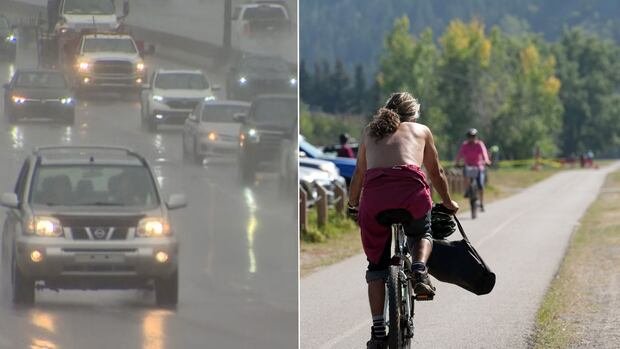

Summer 2025 has concluded in Calgary, marking a season characterized by a damp beginning and a prolonged period of warm and dry weather. September stood out as the hottest month on record for the city, with summer-like temperatures persisting throughout. Moreover, it was the driest September in almost 150 years, with only 0.4 millimetres of precipitation, the lowest amount since 1885.
Weather expert Kyle Brittain described the lack of rainfall as highly unusual, noting that only 6.6 millimetres had fallen since early August. This stark contrast followed a very wet July, ranking as the city’s third wettest, with 168 millimetres of rain. Brittain referred to these weather fluctuations as “weather whiplash” in western Canada.
July also brought extreme weather events, including a costly hailstorm on July 13, causing significant damage amounting to $164 million. Despite such challenges, skies were clearer overall compared to recent summers, with 110 smoke hours recorded from May to September, a substantial decrease from 512 hours logged in 2023.
Despite the unpredictable weather, summer activities in Calgary remained popular. The Calgary Stampede and Calaway Park reported strong attendance figures, with the latter experiencing a notable increase in season pass sales attributed to a rise in staycations. Heritage Park also saw a surge in tourists, including visitors from various countries.
The mixed weather conditions had contrasting effects on crop yields. While the rainy start benefited some crops, farmers like James Johnson and Stephen Vandervalk expressed gratitude for the rain, particularly boosting canola yields. Vandervalk highlighted the importance of timely rain for crop growth, despite challenges such as fluctuating prices driven by external factors.
Looking ahead, meteorologist Kyle Brittain predicts a potential La Niña formation for the upcoming winter, suggesting colder temperatures and increased snowfall for Calgarians. This shift towards more typical winter conditions is expected by the end of fall.