
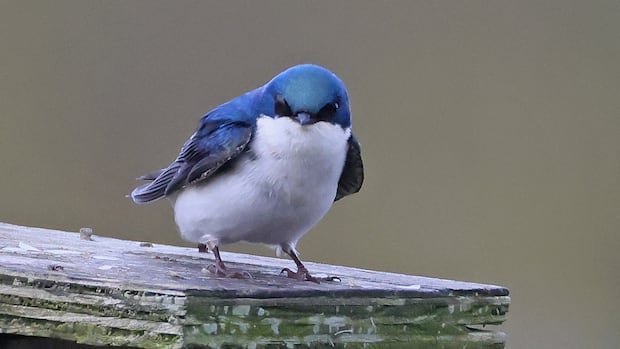

A woman in Halifax is promoting the construction and installation of nesting boxes to aid tree swallows in finding shelter and breeding successfully.
Jessica Ryuzaki came up with the idea while exploring the city and noticing the increasing number of trees being cut down. Concerned about the impact on local wildlife, especially birds, she felt compelled to take action.
Tree swallows, along with other aerial insectivores, have experienced a drop in population in Nova Scotia and P.E.I since the 1970s, according to data from the Canadian Breeding Bird Survey. These birds are cavity-nesters, preferring to reside in tree holes or crevices.
Creating nesting boxes is a well-known method to provide alternative homes for birds in areas with limited trees. Ryuzaki emphasized the simplicity and affordability of building these boxes, suggesting materials can be easily acquired from everyday sources like dollar stores.
For around $20, she constructed her own nesting box in just 30 minutes using scrap wood and simple components like an entrance hole and a pivoting side panel for cleaning.
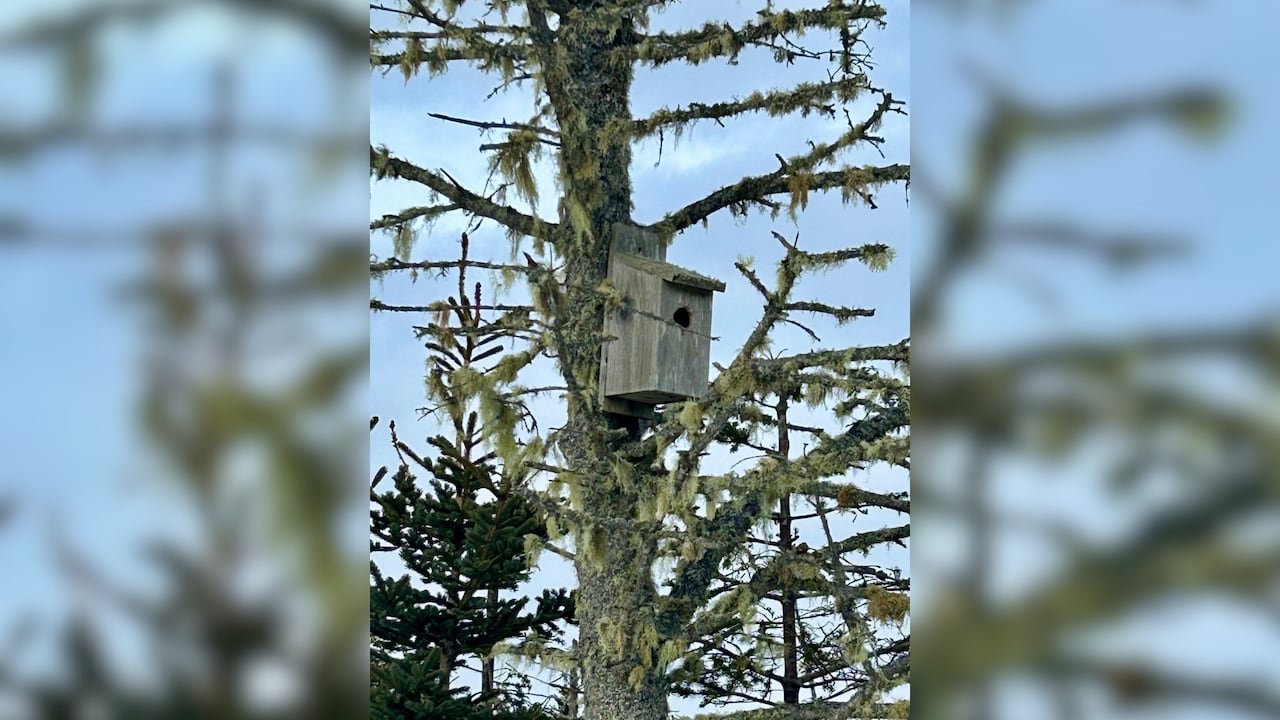
Tony Millard, president of the Nova Scotia Bird Society, endorsed Ryuzaki’s initiative and is advocating for it on social media platforms.
According to Millard, nesting boxes should be placed in open, sunny areas with grass, approximately two meters above the ground to protect birds from ground predators. The boxes should face south or east to shield them from strong winds.
Named ReNest Nova Scotia, the project is also providing templates to assist individuals in constructing their own nesting boxes.
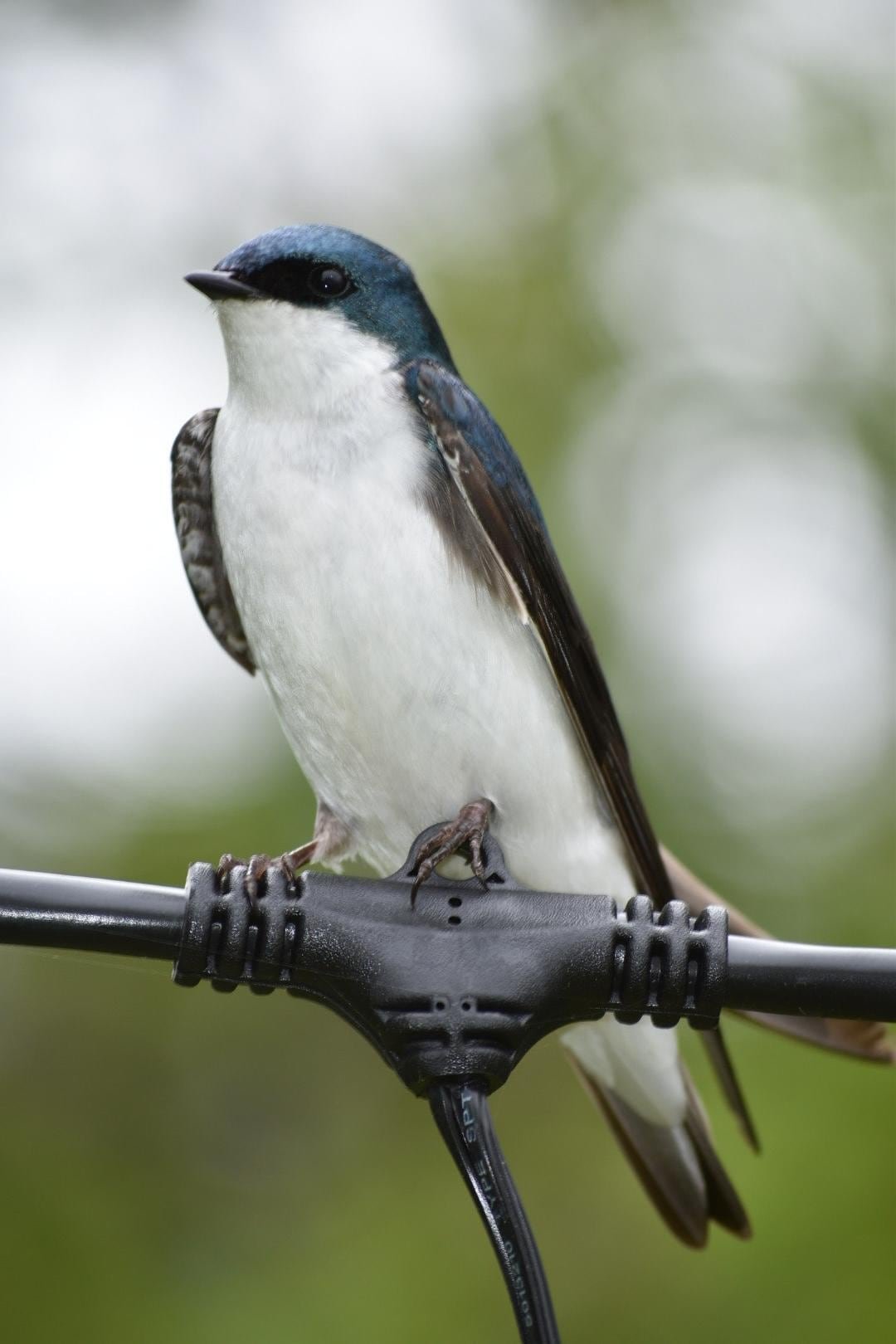
Millard highlighted that these nesting boxes can benefit various bird species beyond tree swallows, offering advantages to homeowners as well.
He emphasized the joy of observing swallows in the yard, noting their role in controlling insect populations by feeding on bugs. By providing nesting spaces, homeowners can enjoy reduced bug presence on their properties.
Winter is recommended for box construction, with Millard suggesting people use indoor time for this activity to have the boxes ready by April, just before the spring breeding season.
Ryuzaki expressed receiving significant interest in the project and hopes to see numerous boxes in Halifax yards come springtime.
“The widespread adoption of nesting boxes in Halifax would be truly fantastic. I would be thrilled to see it happen,” she remarked.
MORE TOP STORIES