
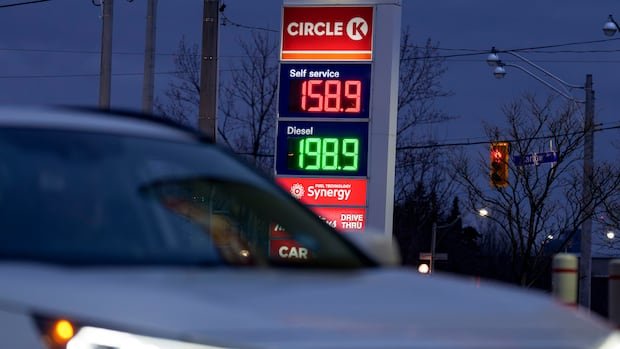

The ongoing conflict between the U.S. and Israel against Iran is causing oil prices to surge back to $100 per barrel, leading to a global stock market decline on Thursday. The S&P 500 dropped by 1.5%, the Dow Jones Industrial Average fell by 739 points, and the Nasdaq composite decreased by 1.7%.
Oil prices reached as high as $101.59 per barrel for Brent crude, the international benchmark, due to concerns about potential disruptions in oil production and transportation in the Persian Gulf. Iran’s aggressive actions targeting oil facilities in Gulf Arab countries have disrupted cargo traffic through the critical Strait of Hormuz, responsible for a fifth of global oil trade.
To counteract the impacts of the conflict on energy markets, the International Energy Agency (IEA) announced the release of 400 million barrels of emergency oil reserves, the largest volume in its history. The U.S. also planned to release 172 million barrels from its Strategic Petroleum Reserve next week.
Despite efforts to stabilize oil prices, market volatility persists, with fears that prices could soar even higher, potentially reaching $140 per barrel. The lack of a clear de-escalation timeline for the conflict and the uncertain reopening of the Strait of Hormuz contribute to the unpredictability in oil markets.
The war’s ripple effects have triggered fluctuations in financial markets worldwide, with sharp movements in oil prices leading to market instability. Concerns about prolonged disruptions in Middle East oil production have raised alarms about the potential for significant inflationary pressures on the global economy.
In trading activities, European markets remained relatively stable, with minor fluctuations in major indices. Asian markets experienced declines, with Japan’s Nikkei 225 falling by one percent, South Korea’s Kospi losing 0.5%, and Hong Kong’s Hang Seng dropping by 0.7%. Currency markets also saw the U.S. dollar weakening against the Japanese yen and the euro.
The conflict’s escalation and its economic ramifications continue to cast a shadow over global financial stability, prompting market participants to closely monitor developments and prepare for further uncertainties ahead.