
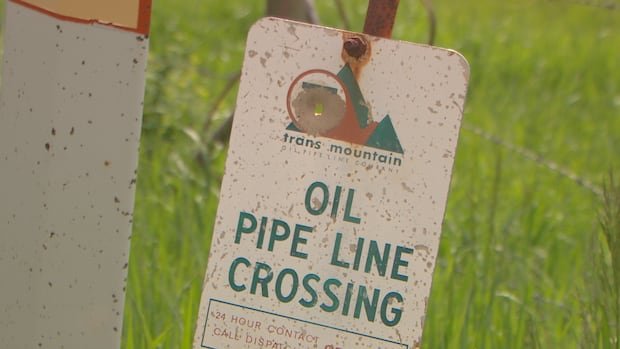

The Trans Mountain oil pipeline system is set to reach full operational capacity in April and extend into May due to energy disruptions stemming from conflicts in the Middle East. The pair of pipelines carries oil from Edmonton to a terminal in Burnaby, B.C. Primarily, the exported oil is bound for China and other Asian nations, where the demand for energy is increasing amidst global supply constraints caused by the ongoing conflict.
Reaching full capacity earlier than anticipated, the Trans Mountain pipeline system marks a significant achievement for the company. Just a year ago, the pipeline was operating at 80 to 90 percent capacity. Mark Maki, the CEO of Trans Mountain, confirmed that the system is now at maximum capacity.
The surge in energy prices in recent weeks is attributed to Iran’s restrictions on access to the Strait of Hormuz, a vital route for exporting 20 percent of the world’s oil, natural gas, and other commodities. Maki noted that the market is gradually shifting towards North America as a reliable energy source amidst the conflict.
Asian markets have shown a keen interest in Canadian oil, appreciating the quality of the product and the country itself. The disruption in the Middle East may take several months to stabilize, impacting Asian countries the most, with some already facing shortages in oil and natural gas supply. Shell’s CEO, Wael Sawan, warned that Europe could soon encounter similar disruptions in fuel supply.
In the midst of these developments, Trans Mountain is advancing two expansion projects to enhance oil transportation through the existing pipeline system. The first project, costing $9 million, aims to increase oil transport by up to 10 percent using drag reducing agents. Construction is scheduled to commence in August, with completion anticipated by January 2027. The second expansion involves constructing additional pumping stations to boost capacity by 360,000 barrels per day, with a target completion date of 2028.
The current twin pipeline system can transport around 890,000 barrels per day between Alberta and the West Coast. Regulatory approval is still pending for the expansion projects, which are crucial for meeting the rising demand for oil transportation.