
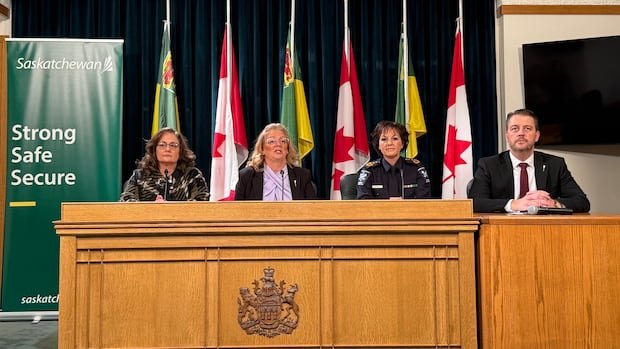

A mother, Angela McPhee, from Kindersley, Saskatchewan, who tragically lost two sons to drug addiction, expressed her support for a new legislative proposal by the Saskatchewan government. The legislation aims to introduce compulsory treatment for individuals struggling with severe substance abuse issues. Angela shared the devastating loss of her son Colton Richardson, 33, who passed away in March due to a drug overdose while living on the streets of Saskatoon. Despite her efforts to seek help for Colton through legal avenues and mental health interventions, she faced obstacles in assisting him.
The current addiction treatment system in Saskatchewan relies on voluntary participation, which Angela found ineffective for Colton, as his drug-induced state often led to psychosis. She expressed her desperation, mentioning that if she had the option without consequences, she would have resorted to extreme measures to help her son. The proposed legislation, known as the Compassionate Intervention Act, could potentially revolutionize the approach to addiction treatment in Saskatchewan. Justice Minister Tim McLeod emphasized that the act aims to aid individuals incapable of seeking help independently.
Under this act, family members could request treatment for their loved ones through the legal system, and law enforcement would have the authority to step in if someone’s substance abuse posed a significant risk. Additionally, health professionals could refer individuals to specialized “compassionate intervention treatment centers,” which would prioritize care over confinement. The government is in the process of determining the required capacity for these centers and their strategic locations.
The legislation has sparked debates regarding its effectiveness, with concerns raised about the lack of evidence supporting involuntary treatment for substance use disorders. Despite criticisms, Mental Health and Addictions Minister Lori Carr defended the legislation, emphasizing the need for diverse tools to aid individuals in their recovery journey. The role of law enforcement in enforcing the act was highlighted by McLeod, who stated that peace officers would play a pivotal role in addressing immediate threats posed by individuals struggling with addiction.
While the legislation has garnered mixed reactions, with the Opposition NDP cautiously supporting the concept of involuntary treatment as a last resort, it is expected to undergo further scrutiny and consultations before potential passage in the spring. The government plans to engage stakeholders to refine the specifics of the legislation during this interim period. The introduction of this act marks a significant development in addressing addiction issues in Saskatchewan, amidst ongoing challenges in trade relations and healthcare within the province.