
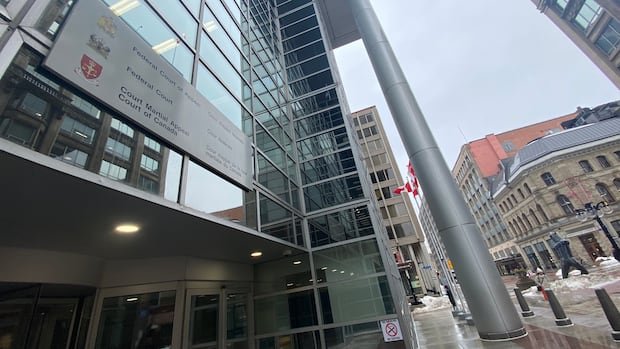

A federal judge has ruled in favor of two First Nations communities in Manitoba and one in Ontario who took legal action against the Canadian government regarding their entitlement to safe housing and clean drinking water. The rulings were made on Friday in separate cases.
The judge affirmed that the federal government had a responsibility to ensure that the Shamattawa First Nation and other First Nations, who chose to be part of the northern Manitoba First Nation’s class-action suit, had access to potable water during the specified claim period. The Shamattawa community initiated the class-action lawsuit, which was officially certified in 2023, representing all First Nations members nationwide living in communities under a drinking water advisory after June 20, 2020.
In a separate ruling, the judge determined that inhabitants of St. Theresa Point First Nation in northeastern Manitoba, Sandy Lake First Nation in northern Ontario, and other members of the class-action should have been provided with suitable housing on their reserves from June 12, 1999, until the present time – the defined class period in the lawsuit.
The judge emphasized that the Canadian government had historically maintained control over various aspects of First Nations life through legislation, regulations, and practices, including managing finances for water infrastructure and housing. He suggested that these actions might have infringed upon the Charter of Rights and Freedoms, affecting equality under the law and the fundamental rights of all Canadians.
The Shamattawa class action lawsuit, valued at $1.1 billion, follows a previous legal case related to drinking water advisories that resulted in an $8 billion settlement in 2021. The Shamattawa community pursued legal action after enduring a prolonged boil-water advisory.
During the legal proceedings, representatives from several First Nations testified that their communities did not receive adequate funding to address long-term water advisories. The Chief of Shamattawa, Jordna Hill, highlighted the disparities in treatment between federal workers and Indigenous community members, pointing out that essential resources were provided to government staff but not to the residents.
In a related $5 billion class-action lawsuit involving St. Theresa Point and Sandy Lake First Nations, it was alleged that the federal government deliberately underfunded housing on reserves while imposing restrictions on housing provision. The judge noted that many families had to reside in substandard housing due to the lack of viable alternatives.
Tragic incidents linked to inadequate housing conditions were cited, including the deaths of teenagers in St. Theresa Point and children in a house fire in Sandy Lake. The judge emphasized the detrimental impact of overcrowded and unsanitary living conditions on the well-being of children, affecting their physical, emotional, and educational development.
The initial rulings in these cases focused on determining the government’s obligation to the First Nations, with a second stage planned to address breaches, potential Charter rights violations, and potential remedies. The judge awarded legal costs to the plaintiffs, considering the significant success of their claims. Despite the favorable rulings, Chief Raymond Flett of St. Theresa Point acknowledged that more work remained to address the housing crises affecting Indigenous communities across Canada.