
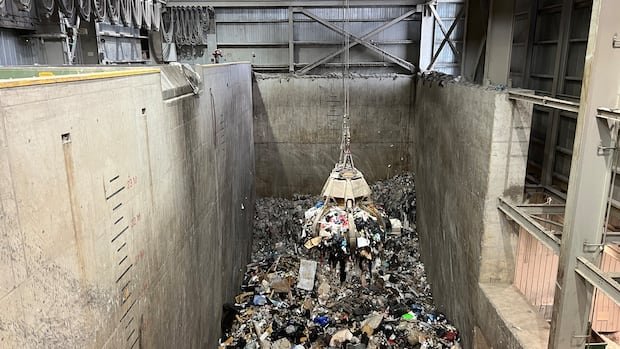

Welcome to our weekly newsletter focusing on environmental trends and solutions driving us towards a more sustainable world. Last week, a social media post about Toronto’s waste incineration plans sparked questions on its viability. The city faces a waste disposal crisis as its main landfill approaches full capacity by 2035, with no nearby municipalities willing to host new landfills.
Toronto’s consideration of waste incineration as an alternative to landfill dumping has been met with mixed reactions. While modern landfills have evolved to minimize environmental impact, the city’s landfill expansion plans face opposition from nearby Indigenous communities due to existing pollution concerns.
In a bid to address the waste dilemma, Toronto is exploring energy-from-waste solutions, where waste is burned to generate energy. This approach is already in place in neighboring regions like Brampton and Durham. The Durham facility, for instance, currently handles 140,000 tonnes of waste annually with plans for expansion to 250,000 tonnes.
The debate over emissions from incineration versus landfilling continues. Proponents argue that energy-from-waste facilities like the one in Durham offer better greenhouse gas emission outcomes by generating energy and recovering metals from waste. However, critics raise concerns about the environmental impact and potential health risks associated with incineration.
While the decision on waste management methods remains contentious, environmental advocates emphasize the importance of waste reduction strategies. They stress the need for producer responsibility programs and improved organic and recyclable waste diversion to minimize landfill reliance.
In a broader context, the growing water consumption of data centers, particularly those supporting AI infrastructure, underscores the need for sustainable practices across various sectors. As the world grapples with waste and resource management challenges, the focus on innovative solutions and environmental stewardship becomes increasingly crucial.
The recent utilization of sprinklers to safeguard homes from wildfires in Nova Scotia highlights the importance of proactive measures in combating environmental threats. As communities strive to balance development with conservation, the implementation of effective strategies and collaborative efforts remains essential in fostering a more sustainable future.