
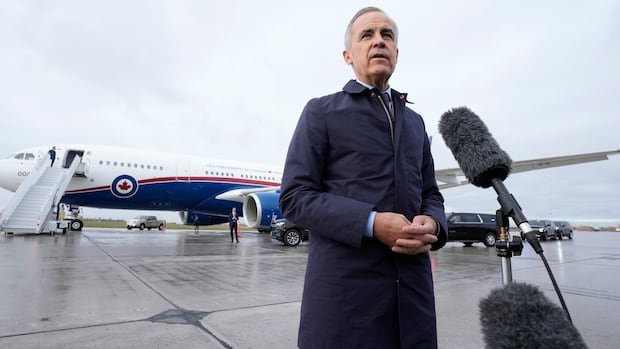

Prime Minister Mark Carney is scheduled to visit the United Arab Emirates next week, amid concerns over both countries’ alleged involvement in atrocities in Sudan. The UAE is reportedly backing the paramilitary Rapid Support Force (RSF) in Sudan’s civil conflict, while Canada is facing scrutiny for the reported presence of Canadian-manufactured armored vehicles in the same conflict.
The RSF has been implicated in brutal massacres and other heinous acts, including mass rapes, in Sudan over the past fortnight. This has raised questions about Ottawa’s close ties with the UAE, despite the UAE’s denial of any involvement in the RSF’s actions.
Canada’s interest in the UAE is not a mystery, given the Gulf nation’s significant diplomatic and commercial achievements in the 2020s. Notably, the UAE recently secured approval from the Trump administration to acquire cutting-edge chip technology, reflecting its burgeoning economic prowess. The UAE boasts control over some of the world’s wealthiest investment funds, valued at over three trillion dollars, with substantial Emirati investments already in Canada.
National Revenue and Finance Minister François-Philippe Champagne, accompanying Carney on the trip, highlighted the strong appetite for Canadian collaboration in the UAE. The relationship between the UAE and Canada has been on an upward trajectory since the Harper government resolved longstanding disputes, culminating in agreements to enhance trade, investment, and defense cooperation between the two nations.
However, the UAE’s reputation has been tarnished by allegations of funding atrocities in Sudan, which the UAE vehemently denies. Critics point to suspicious flights between the UAE and Sudan, suggesting illicit movements of valuable resources and arms.
Experts suggest that the UAE’s involvement in Sudan’s civil war is driven by its strategic interests in accessing the country’s resources, particularly minerals and the vital Port Sudan. The circulation of Canadian-made armored vehicles, reportedly used by the RSF in Sudan, has raised concerns about arms proliferation. Calls for a more robust arms embargo on Sudan have intensified, with demands for stricter controls on arms exports to the UAE.
Despite mounting evidence implicating the UAE in Sudan’s conflict, Western countries have been hesitant to publicly condemn the UAE’s role. The UAE’s political influence and economic power have shielded it from significant scrutiny, complicating efforts to hold the country accountable for its actions.
In conclusion, the complex dynamics between Canada, the UAE, and Sudan underscore the challenges of balancing economic interests with human rights concerns in international relations.