
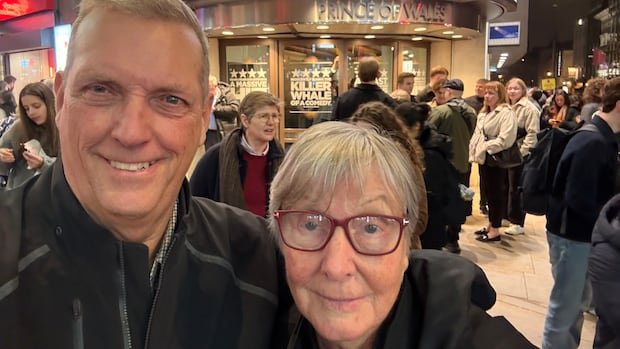

In the past, Fredericton artist Bruce Newman frequented the United States, visiting for leisure, art inspiration, and to connect with fellow creatives. However, his trips came to a halt following President Donald Trump’s initiation of a trade dispute with Canada and his provocative suggestion of Canada becoming the 51st state. Recent events in Minnesota, where clashes between U.S. Immigration and Customs Enforcement (ICE) officers and protesters occurred, solidified Newman’s decision to avoid U.S. travel.
Newman’s sentiments are shared by many Canadians who have chosen to boycott U.S. travel, leading to a significant decline in Canadian visits to the U.S. by air and land, dropping by 25% in 2025. This trend has persisted, with March witnessing a 32% decrease compared to pre-boycott levels in March 2024. The sustained decline has impacted the U.S. tourism sector, resulting in an $8.5 billion decrease in international tourism spending in the country last year.
The ongoing boycott has prompted Canadians to explore alternative travel destinations, with a notable increase in overseas trips by 9% in 2025 while U.S. travel saw a double-digit decline. Newman exemplifies this shift in travel preferences, opting for London over New York City for his wife’s birthday celebration. Additionally, domestic tourism in Canada saw a 2.5% rise in 2025, indicating a growing interest in local travel experiences.
As Canadian travelers reevaluate their vacation plans, factors such as escalating jet fuel prices due to geopolitical tensions may further influence their travel choices. Las Vegas, a popular destination for Canadian tourists, experienced an 18% drop in Canadian visitors. In response, the city’s tourism industry is actively promoting at-par pricing deals to entice Canadians back. Las Vegas casino owner Derek Stevens is optimistic that these offers will reignite Canadian interest in the city, despite some travelers like Newman remaining hesitant to return to the U.S. amid current circumstances.