
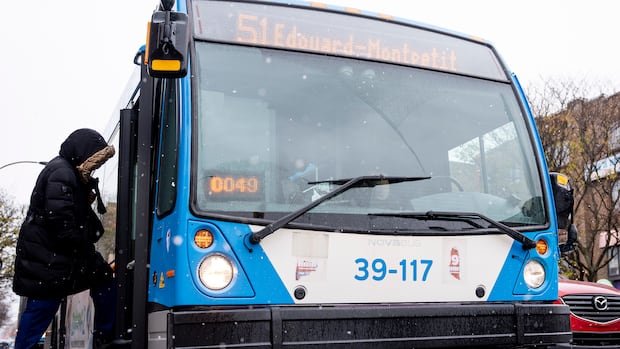

With increasing transit fares in several Canadian cities, experts suggest a reevaluation of public transportation funding strategies. Calgary recently raised fares from $3.80 to $4 per ride, while Ottawa approved a 10-cent increase to $4.10. Edmonton, Victoria, and Vancouver also experienced fare hikes earlier this year. The surge in fares reflects the financial strains on transit systems due to rising energy, maintenance, and labor costs. Declining gas tax revenues, attributed to the rise of electric and energy-efficient vehicles, further compound the challenges.
Transit agencies are still recovering from the repercussions of the COVID-19 pandemic, which resulted in a significant drop in ridership and fare revenues. Emergency government aid has diminished, and ridership has not fully rebounded to pre-pandemic levels. Statistics Canada reported an 84.2% ridership recovery in April compared to April 2019 figures.
Urban sprawl and low population densities in Canada present additional hurdles for transit operations to maintain financially sustainable routes. The escalating fares not only burden transit operators but also impact Canadians facing rising living costs. This trend threatens accessibility for many individuals within cities.
Lawrence Frank, a professor at the University of California, San Diego, emphasizes the negative societal implications of solely relying on fare increases for revenue generation. Current funding models necessitate a significant portion of operational costs to be covered by passenger fares, averaging 59% in Canada. However, escalating fares risk diminishing ridership and excluding low-income individuals who rely on public transit.
Frank advocates for a revised evaluation framework that considers the health and social benefits stemming from equitable transit systems, such as reduced sedentary behavior and air pollution. Research indicates that utilizing public transit instead of driving can mitigate health issues like obesity.
Efforts from advocacy groups to redefine public transit as an essential service requiring stable funding have gained traction. However, implementing such changes may face political challenges. Jeff Casello, a professor at the University of Waterloo, advocates for dedicated revenue sources for public transportation systems to alleviate competition for funding against other essential services.
To prevent pricing out transit users, Casello suggests subsidizing costs for low-income riders. Some Canadian cities implement strategies like fare capping and pilot programs to support vulnerable populations. While smaller municipalities have successfully transitioned to fare-free transit systems, scaling such initiatives to larger cities like Toronto or Vancouver poses a challenge.
Rising transit costs globally pose a common dilemma, exacerbated in Canadian cities by urban sprawl and lower densities. Incorporating transit-oriented development and exploring alternative revenue sources are crucial for sustainable and efficient public transportation networks. Redefining public transit as a vital service rather than a profit-driven entity is essential for its long-term viability and societal benefits.