
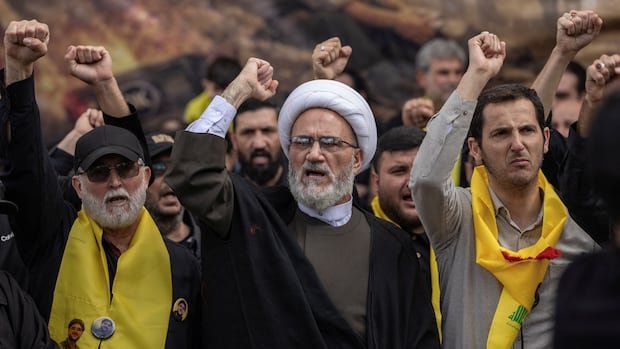

Lebanon is facing a critical juncture as Israeli military operations devastate evacuated communities in the south, while Hezbollah, backed by Iran, has escalated tensions by engaging in conflict with Israel. The national government, led by President Joseph Aoun, is caught in the middle, striving to navigate through this challenging situation. A key element in their strategy is persuading Shia women like Diaa Dia Skafi to shift their allegiance from Hezbollah to Aoun’s disarmament plan.
Skafi, a 48-year-old grandmother, lamented the government’s failure to address the needs of the south during a mass funeral in Kfar Sir. She emphasized the absence of Lebanese army support during Israeli attacks, praising only Hezbollah for standing up for their land. The ceasefire agreement between Israel and Lebanon excluded Hezbollah from negotiations, underscoring the delicate balance Aoun must maintain.
Hezbollah, initially born as a resistance movement, has evolved into a multifaceted organization wielding significant influence in Lebanon’s government and communities. Disarming Hezbollah poses a complex challenge for the Lebanese government, as previous attempts have faced obstacles. The current ceasefire, while in effect, has not fully halted hostilities in designated security zones.
President Aoun’s efforts to demilitarize Hezbollah have encountered resistance, with key figures within the group refusing to surrender weapons as long as Israeli occupation persists. The international community, including the US and EU, supports Lebanon’s disarmament goals. The upcoming expiration of the UN peacekeeping mission in southern Lebanon adds pressure for Lebanon’s armed forces to assume border control responsibilities.
Despite Hezbollah’s defiance and readiness for prolonged conflict, there are signs of waning public support. Makram Rabah, a history professor, believes a shift in public sentiment could expedite Hezbollah’s disarmament within a few years. The evolving dynamics in Lebanon’s political landscape underscore the challenges and opportunities for lasting peace in the region.