
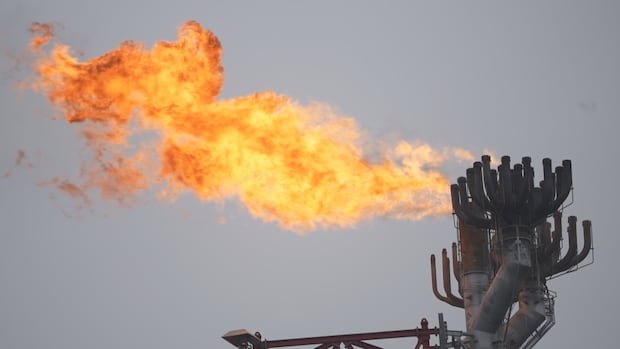

LNG Canada has been instructed to pinpoint the primary reason behind the release of black smoke during flaring at its Kitimat facility and implement a solution by October. The order was issued by the B.C. Energy Regulator following an inspection that uncovered instances of non-compliance with the permit terms limiting black smoke emissions.
The regulator highlighted that the release of black smoke signifies improper combustion of materials. The inspection in February revealed two instances where LNG Canada violated the permit conditions on January 6 and 7, emitting black smoke during non-emergency situations for extended periods.
According to the order, the facility must operate and maintain flares and incinerators to prevent black smoke emissions exceeding 15 minutes within a two-hour span, even during temporary process issues. The order emphasized that black smoke should not occur during routine operations.
LNG Canada is mandated to report any black smoke flaring incidents lasting 15 minutes or longer. By August 15, a report identifying the root causes of the emissions and outlining preventive measures must be submitted, with the implementation of prevention measures required by October 15.
The directive follows revelations from a University of Victoria researcher who accessed monthly air emissions reports filed by LNG Canada, which indicated that gas flaring volumes at the plant exceeded permitted limits between October 2025 and January. Concerns have been raised by the researcher and local nurse Ankur Patel for a comprehensive health impact assessment of the facility on the community and enhanced contaminant monitoring.
In response, LNG Canada stated that it is cooperating with the regulator and acknowledged intermittent visible and black smoke emissions during the commissioning and early operational phases due to incomplete combustion. The company assured that operators are trained to optimize combustion efficiency and minimize smoke.
Despite the concerns, LNG Canada previously noted that increased flaring is common during the initial operational phase and decreases significantly during regular operations. Air quality data from Kitimat monitoring stations indicated consistently low levels of nitrogen dioxide and sulfur dioxide over the past year.
The B.C. Energy Regulator stated that air quality readings in the vicinity of Kitimat have not shown an immediate risk to public safety or the environment from flaring activities. Ongoing monitoring will be conducted to ensure compliance and assess any potential impacts.