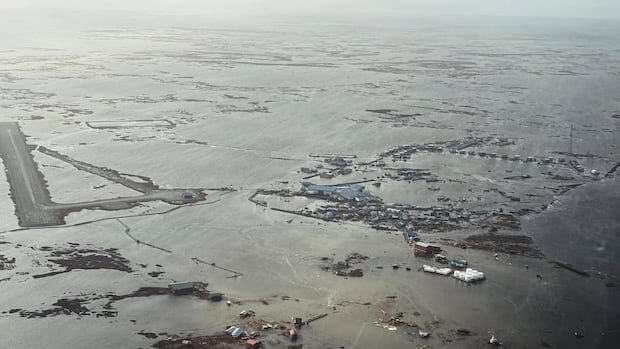

An approaching weather system was predicted to bring rain and wind to the Alaska coast, impacting two villages that were severely affected by the aftermath of Typhoon Halong. More than 1,500 individuals were displaced from their homes due to the high winds and storm surges that struck the low-lying Alaska Native communities along the Yukon-Kuskokwim Delta in southwest Alaska, nearly 800 kilometers away from Anchorage.
Tragically, at least one person lost their life and two others were reported missing. The Coast Guard conducted rescue operations to save two dozen individuals whose homes had been swept out to sea during the storm.
Following the weekend storm, which hit parts of western Alaska, hundreds of displaced residents were seeking shelter in school facilities, some lacking basic amenities like functioning toilets. The severe weather conditions resulted in over 1,500 people being displaced by consecutive storms across the region.
Efforts were underway to transport dozens of individuals to a temporary shelter set up in the National Guard armory in Bethel, a city with a population of 6,000. Authorities were exploring options to relocate evacuees to longer-term housing in Fairbanks and Anchorage.

The most severely impacted communities included Kipnuk, with a population of 715, and Kwigillingok, with 380 residents. These villages, located off the state’s main road network, are accessible only by water or air during this time of the year.
Mark Roberts, incident commander with the state emergency management division, described the situation in Kipnuk as catastrophic during a press briefing, emphasizing the urgent need for support in the affected areas.
Emotional Testimony
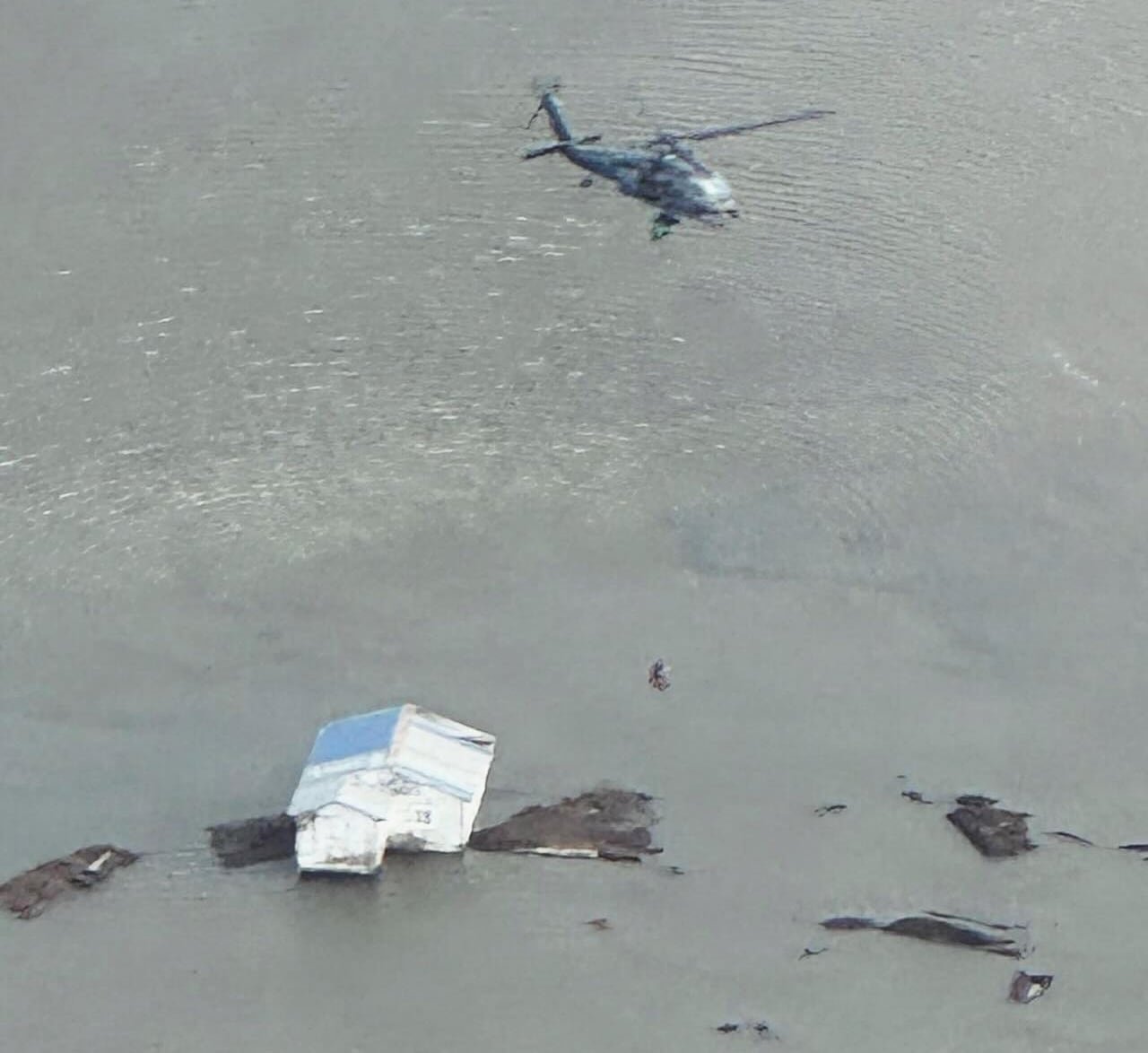
Brea Paul, a resident of Kipnuk, shared a harrowing account of witnessing approximately 20 homes being swept away in the darkness of Saturday night. She described the distressing sight of homes signaling for help with phone lights as they drifted away.
The following day, she captured footage of a submerged house floating past her residence, highlighting the devastating impact of the storm on her community.
In Kwigillingok, approximately 48 kilometers away, a tragic discovery was made as one woman was found deceased, and the search for two missing men, whose home had been carried away, was called off on Monday night.
With the local school being the sole facility in operation with power, around 400 individuals sought refuge there on Monday night, albeit facing challenges such as the lack of functional toilets, as indicated in a situation report from the state emergency operations center.
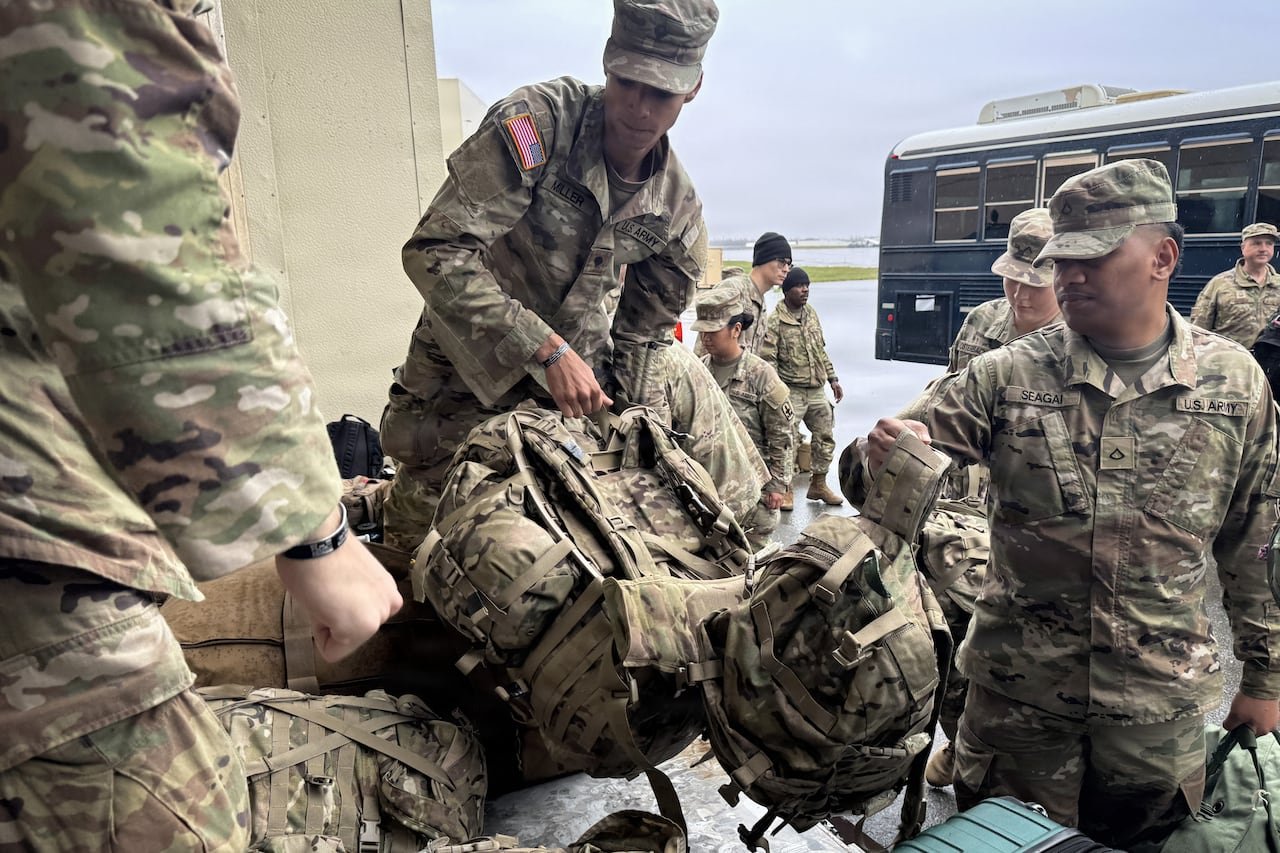
Reports of flooded power systems in Napakiak, severe erosion in Toksook Bay, and fuel drums floating in Nightmute prompted emergency response efforts, including the activation of the National Guard to aid in relief operations.
Recovery Challenges Ahead
Officials cautioned that the road to recovery for the affected communities would be lengthy, requiring sustained assistance. The transportation of essential supplies for rebuilding would be crucial, especially with winter approaching rapidly.