
High-level trade discussions between Canadian and U.S. officials are ongoing this week in Washington, D.C., with Canada aiming to resolve issues in specific economic sectors affecting trade relations between the two countries. Dominic LeBlanc, the Minister of Canada-U.S. Trade, along with Privy Council Clerk Michael Sabia and other officials, are concentrating on reaching agreements for the steel, aluminum, and energy industries in the immediate term.
Jean-Sebastien Comeau, a spokesperson for LeBlanc, informed CBC News that Minister LeBlanc is engaged in further talks with senior U.S. officials in Washington, D.C., as part of Canada’s efforts to reach a deal with the United States. The recent meetings held by the Canadian delegation in Washington were described by LeBlanc as having productive discussions on trade matters.
Simultaneously, pressures are mounting in Canada as some provincial leaders and mayors urge Prime Minister Mark Carney to take a firmer stance against U.S. President Donald Trump. The ongoing negotiations are critical, considering the escalating tensions domestically.
Following talks last week, LeBlanc mentioned that President Trump instructed U.S. Commerce Secretary Howard Lutnick and Trade Representative Jamieson Greer to maintain discussions with their Canadian counterparts to finalize agreements related to the aluminum, steel, and energy sectors. The aim is to swiftly reach mutually beneficial deals for both nations in these crucial sectors.
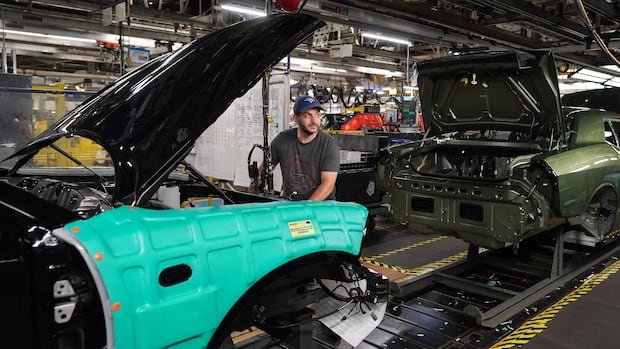
If successful, LeBlanc anticipates moving the dialogue towards advancing discussions on other sectors promptly. The effects of the trade dispute are significant, with Trump imposing 25% tariffs on cars and light trucks to incentivize automakers to relocate production to the U.S. Stellantis recently announced a $13 billion investment to boost manufacturing capacity, creating over 5,000 jobs in several U.S. states, affecting the relocation of the Jeep Compass from Canada to Illinois.
The decision has sparked disappointment from federal and Ontario authorities, who had previously struck agreements with Stellantis. Industry Minister Mélanie Joly expressed disappointment and emphasized holding Stellantis accountable for its commitments. Prime Minister Carney pledged to collaborate with Stellantis to develop new opportunities in the affected regions.
In a separate development, U.S. imposed additional tariffs on Canadian lumber, further straining trade relations. Despite promises of financial support for the softwood lumber industry, the assistance is pending. Various provincial leaders are urging immediate action to address the challenges faced by the forestry sector, emphasizing the urgency of the situation and the need for timely support to sustain the industry.