
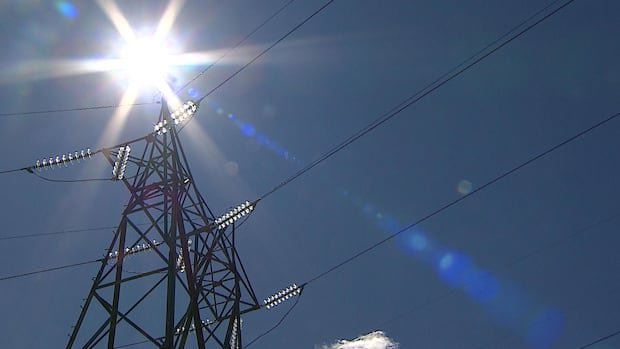

Electricity demand in Canada is expected to surge by 2050, as per new projections from the national energy regulator revealed on Tuesday. The forecasts also anticipate a strong uptick in natural gas production and the expansion of renewable energy sources across the country.
The Canada Energy Regulator (CER) predicts a 44% growth in power consumption from 2023 to 2050, driven by rising residential, industrial, and technology sector demands, particularly from AI data centers. The country’s electricity system capacity is set to double from 160 gigawatts in 2023 to 310 gigawatts in 2050, with wind energy expected to lead the production increase from 40 terawatt-hours to 277 terawatt-hours by 2050.
Chief Economist Darren Christie highlighted the growth in wind and solar energy sources, supported by more stable sources like hydroelectricity, nuclear, and natural gas. The CER also anticipates a 70% increase in total interprovincial transmission capacity by 2050 to balance electricity supply and demand.
Ontario is embarking on expanding its nuclear power with the construction of small modular nuclear plants, while Alberta and Saskatchewan are exploring similar nuclear projects. The modelling suggests that oil and natural gas consumption will remain relatively steady over the coming decades, with a marginal 1% rise by 2050 compared to 2023.
Natural gas production is projected to grow from around 19 billion cubic feet per day in 2025 to between 21 billion and 32 billion by 2050, contingent on the development of liquefied natural gas (LNG) export facilities. The uncertainty in oil production scenarios, influenced by global commodity prices, could see a potential 18% increase or a 12% decline by 2050.
The CER has outlined four scenarios for oil production, with projections indicating varying growth patterns up to 2050. Greenhouse gas emissions are expected to decrease in the coming years due to a cleaner electricity grid and improved environmental practices across sectors. However, achieving net-zero emissions by 2050 will necessitate a widespread transition to low-carbon technologies.
The latest energy outlook from the CER, which is the first update since 2023, emphasizes the imperative for significant changes to achieve emission reduction targets.