
As tensions escalate in Iran, disrupting oil and gas exports from the Gulf region, Canada’s energy sector is poised to benefit from increased demand. With the recent U.S. and Israel joint attack on Iran, energy prices have surged, leading to warnings from Iran against tankers passing through The Strait of Hormuz, a critical route for global oil supply. Consequently, numerous energy companies have suspended Gulf operations due to the conflict’s impact.
In contrast, Canada’s oil and gas industry, which avoids Middle Eastern routes, boasts stringent environmental regulations compared to non-democratic producers like Qatar and Russia. Additionally, Canada is geographically closer to Europe than major energy players such as the United States and Venezuela, the latter now under U.S. control.
Despite the potential demand for Canadian energy products, challenges remain in delivering these resources to markets efficiently. Minister Tim Hodgson highlighted Canada’s reputation as a stable and reliable energy producer during a recent global mining conference. However, experts caution that Canada’s current capacity may not be sufficient to meet the surging demand resulting from the conflict in Iran.
While Canada has the potential to partially bridge the supply gap, major infrastructure enhancements are needed for a significant impact. The country’s energy sector has attracted interest from countries like Poland, Germany, Japan, South Korea, and India, signaling a shift from its traditional reliance on the U.S. market. As crude oil prices hover around $80 per barrel, there is growing interest from European and Asian buyers to diversify their energy sources.
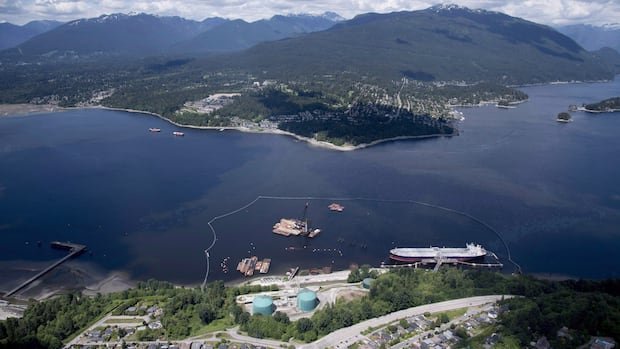
Looking ahead, Canada is exploring various projects to expand its energy infrastructure, including the Trans Mountain Expansion and a new LNG plant in Kitimat, B.C. However, these projects may take years to complete and may not fully offset the void left by the conflict in Iran.
Moreover, there are concerns that Russia could capitalize on the global energy gap, especially with the decline in Norwegian LNG production expected in the coming years. Despite past hesitations about Russian energy, countries may turn to Russia as an alternative supplier amid the current energy crisis.
In conclusion, as the world navigates the repercussions of the conflict in Iran, ensuring a stable energy supply is paramount. While Canada presents itself as a reliable energy source, infrastructure improvements and strategic partnerships will be crucial in meeting the escalating global demand for energy products.