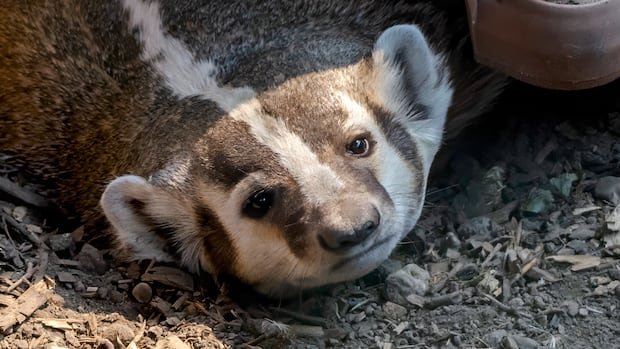

Badgers are a familiar sight in the Prairie regions, but a recent evaluation by federal authorities indicates that they are susceptible to similar risks as the endangered populations in Ontario and British Columbia.
The American badger, the only badger species in North America, is categorized into three populations by the Committee on the Status of Endangered Wildlife in Canada (COSEWIC), which evaluates the endangered status of native species and advises the federal government.
In December, the advisory panel identified the “Kootenay, Prairies, and Rainy River” population, covering badgers in the Prairie provinces, parts of southeastern British Columbia, and northwestern Ontario, as being of “special concern.” Meanwhile, the other two populations in southwestern Ontario and the B.C. Interior are classified as endangered, with estimations of fewer than 250 adult badgers in each region.
Chris Johnson, a member of the COSEWIC terrestrial mammals subcommittee from the University of Northern British Columbia, highlighted the challenges in estimating badger populations due to their elusive behavior. He emphasized the various threats faced by badgers in Canada, including habitat loss, vehicle collisions, and intentional killings by landowners.
Johnson stressed the necessity of active management to mitigate these risks and prevent badgers from further decline. The “special concern” designation by COSEWIC signifies the need for protective measures to avert the species from becoming threatened or endangered at the federal level.
In Alberta, the government’s Wildlife Watch Program monitors roadkill incidents annually, with 112 badger roadkill cases reported in 2024. Calgary wildlife biologist Chris Fisher noted the frequent occurrence of badgers on roadsides, where they are prone to collisions due to their burrowing habits.
Badgers are drawn to roadsides for easy burrow construction, attracted by prey such as Richardson’s ground squirrels. The combination of road proximity and abundant prey poses risks to badgers, as they are more active at night and rely heavily on their sense of smell rather than sight.
The endangered status of badger populations in southwestern Ontario and the B.C. Interior is exacerbated by habitat loss, as urban expansion encroaches on their natural habitats. Fisher emphasized the critical role of badgers as “ecosystem engineers” in the grasslands, facilitating a diverse range of species through their burrowing activities.
Despite their ecological significance, badgers face persecution from humans, primarily due to conflicts with livestock and property damage. Fisher underscored the importance of conservation efforts to protect badgers and their habitats, urging proactive measures to safeguard these iconic grassland species.