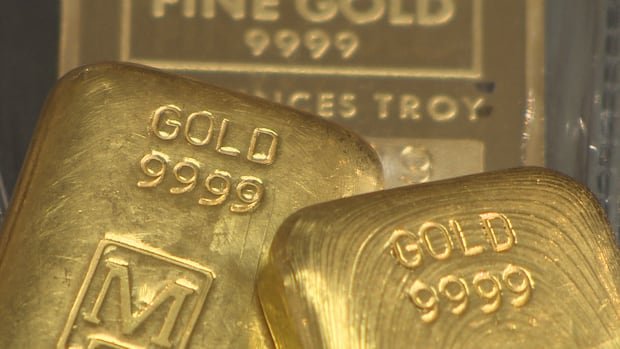

Gold soared above $5,000 per ounce for the first time on Monday, with silver also surging to $110 per ounce, driven by various geopolitical tensions weakening the U.S. dollar. The demand for precious metals has been on the rise in recent months as investors look for secure investment options.
Daniela Hathorn, a senior market analyst at Capital.com, highlighted that as long as uncertainties such as fiscal dominance, geopolitical fragmentation, and central bank credibility persist, precious metals are likely to remain a focal point for investors as both hedges and alternatives.
The U.S. dollar depreciated to its lowest level since mid-November following a 1.5% increase in the Japanese yen in Europe. Despite the dollar’s previous gains against the yen, recent statements from officials in Japan and the U.S. suggesting potential intervention to strengthen the yen caused the dollar to drop. The intervention speculation led to a rebound in the yen, with close co-ordination between Japanese and U.S. authorities on currency fluctuations confirmed.
Gold reached a record high as the U.S. dollar weakened against major currencies, attracting increased investment amid heightened market volatility. Gold prices surged by 2.1% to $5,089 per ounce, marking a significant 17% gain in January, while silver also saw a substantial increase of almost 7% to $110 per ounce, up over 50% for the month.
Chris Scicluna, an economist at Daiwa Capital Markets, emphasized the compelling story behind gold in terms of central bank reserve diversification, especially amidst intervention discussions and broader portfolio diversification trends away from the U.S.
Global markets experienced mixed movements, with declines observed in France’s CAC 40 and South Korea’s Kospi, while the U.S. markets opened higher. Investors are monitoring upcoming earnings reports from global companies, anticipating the impact of recent U.S. tariff policies. President Donald Trump’s threats on potential tariffs against Canada have also caused market concerns, with fluctuations seen in commodity prices like benchmark U.S. crude and Brent crude.