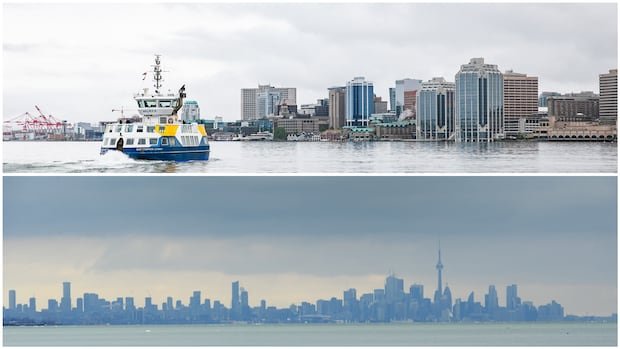

In 2024, Halifax households spent a similar share of their income on housing and transportation when compared to Toronto, according to recent analysis of Statistics Canada data by CBC News. Approximately half of Halifax households allocated around 31% or more of their pre-tax income toward these expenses, mirroring Toronto’s 30% statistic.
The surge in housing costs in recent years aligns with observations made by Halifax realtor Chris Melnyk. He emphasized a common misconception about affordable housing in Halifax, noting a doubling in home prices from 2019 to 2022, with a continued upward trend post a brief decline.
Former Halifax resident Rachel Sunter experienced firsthand the rapid increase in housing prices, prompting her move to Montreal due to rising rents. Despite lower average rents in Montreal, Sunter found owning a car there costlier due to licensing fees and other expenses.
Statistics Canada data indicates that while Toronto households dedicate a higher portion of their pre-tax income to housing compared to Halifax, the overall spending on housing and transportation in both cities is comparable. Halifax ranks as the 22nd most expensive out of the 50 largest Canadian municipalities, as per the new Housing and Transportation Cost Index introduced in May 2024.
Transportation costs in Nova Scotia, especially for residents in small towns, were highlighted as particularly expensive by senior analyst Marcello Barisonzi from Statistics Canada. Nova Scotia stood out as the sixth-most costly province in terms of housing expenses and the most expensive for transportation, placing it fourth overall.
The cost of regular unleaded gas in Halifax has consistently been higher than in Toronto since 2024, as reported by Statistics Canada. Furthermore, Nova Scotia had the lowest wages in Canada last year, adding to the financial strain for residents.