
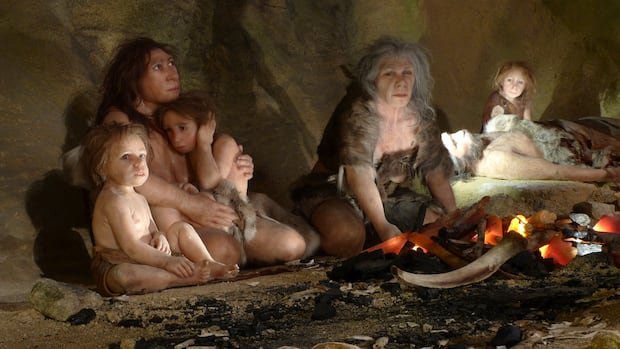

A recent genetic study suggests that Neanderthals predominantly inherited modern human DNA from the females in their lineage due to mating preferences. Researchers from the University of Pennsylvania conducted an analysis focusing on the X chromosomes of Neanderthals and found a higher proportion of “anatomically modern human” DNA compared to other chromosomes. This sheds light not only on Neanderthal biology but also on their social behavior.
Interbreeding between Neanderthals and modern humans occurred when they coexisted in different regions, resulting in the presence of Neanderthal DNA in non-African human ancestors. The study specifically examined the X chromosome, where ancient Neanderthal women showed a significant amount of human DNA, especially in comparison to their autosomes. This disparity could be explained by the preference for mating between Neanderthal men with more human ancestry and women with more Neanderthal ancestry.
The unequal distribution of human DNA in Neanderthal X chromosomes hints at possible mate preferences and genetic interactions over generations. Various factors, including migration patterns, mate selection, and genetic influences, may have contributed to this genetic bias. The study’s findings propose a complex interplay of elements shaping Neanderthal mating behaviors and genetic inheritance.
Experts find the study intriguing, suggesting that it aligns with previous research on Neanderthal-human hybrids and their reproductive challenges. Insights into how ancient populations navigated genetic differences and reproductive success offer a glimpse into the social dynamics of Neanderthal communities. This study underscores the sophistication and observational skills of Neanderthals, highlighting their adaptability and decision-making capabilities in response to genetic challenges.