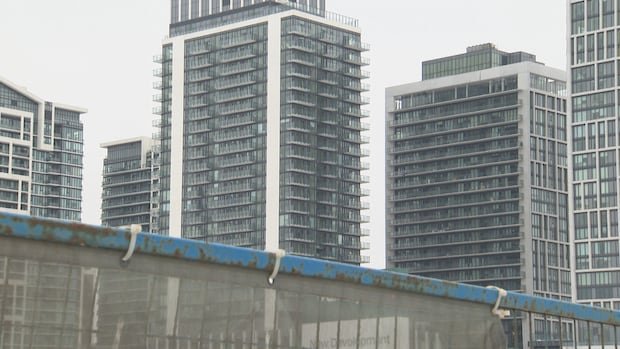

Homebuyers who took a chance on purchasing a home before its construction to secure a foothold in an expensive market are facing the consequences of declining property values.
More Canadians, particularly in condominium markets like Toronto, are realizing that developers and lenders are unwilling to bear the financial loss when property values decrease.
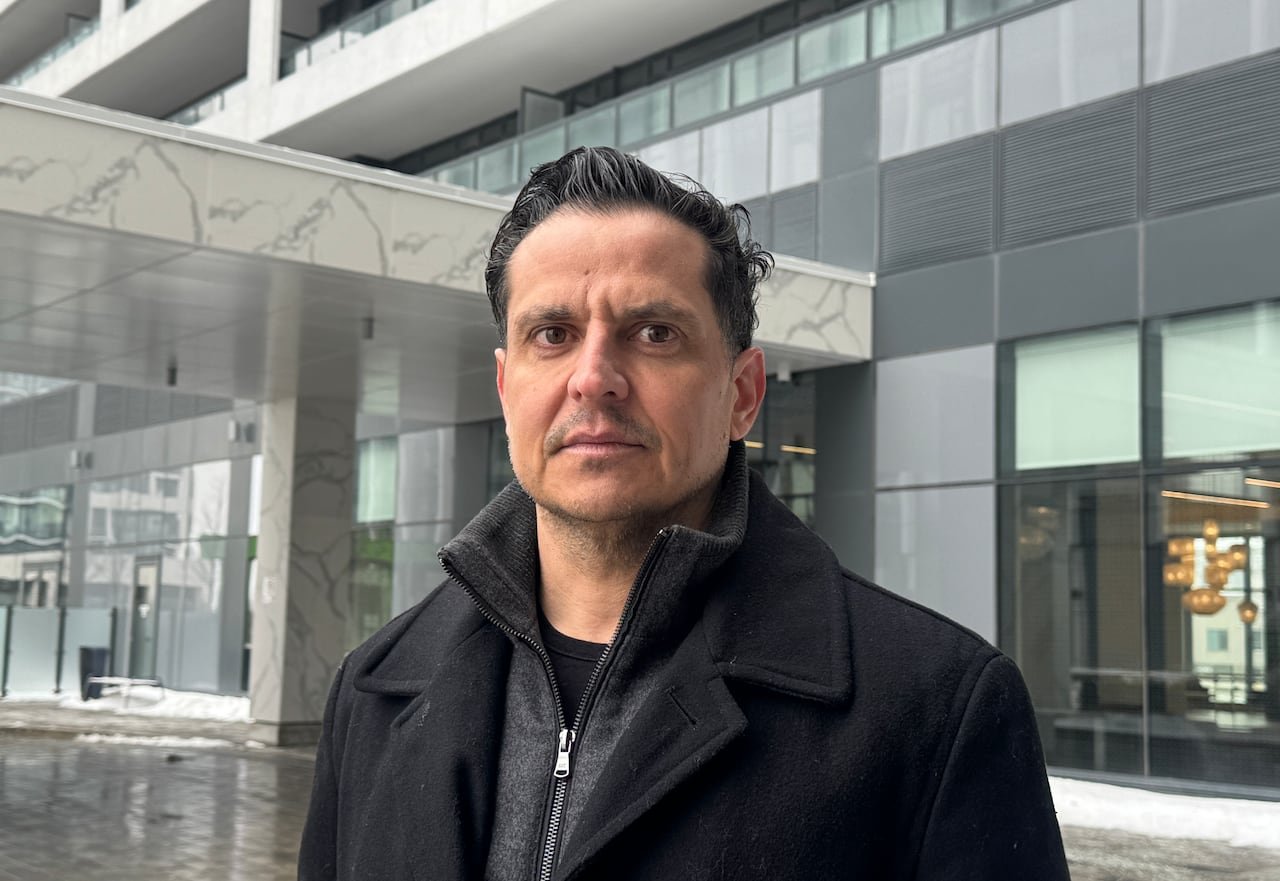
Vitor Almeida, a carpenter and former real estate agent, is experiencing this firsthand. Over five years ago, he agreed to buy a pre-construction condo in Vaughan, Ont., for $675,000, putting down a 20 percent deposit. However, he encountered difficulty securing financing as the condo’s appraisal came in at $590,000, making it challenging to obtain a mortgage to finalize the purchase.
With the average selling price of condos in the Greater Toronto Area declining by over five percent in late 2025 compared to a year earlier, the situation has become challenging for buyers.
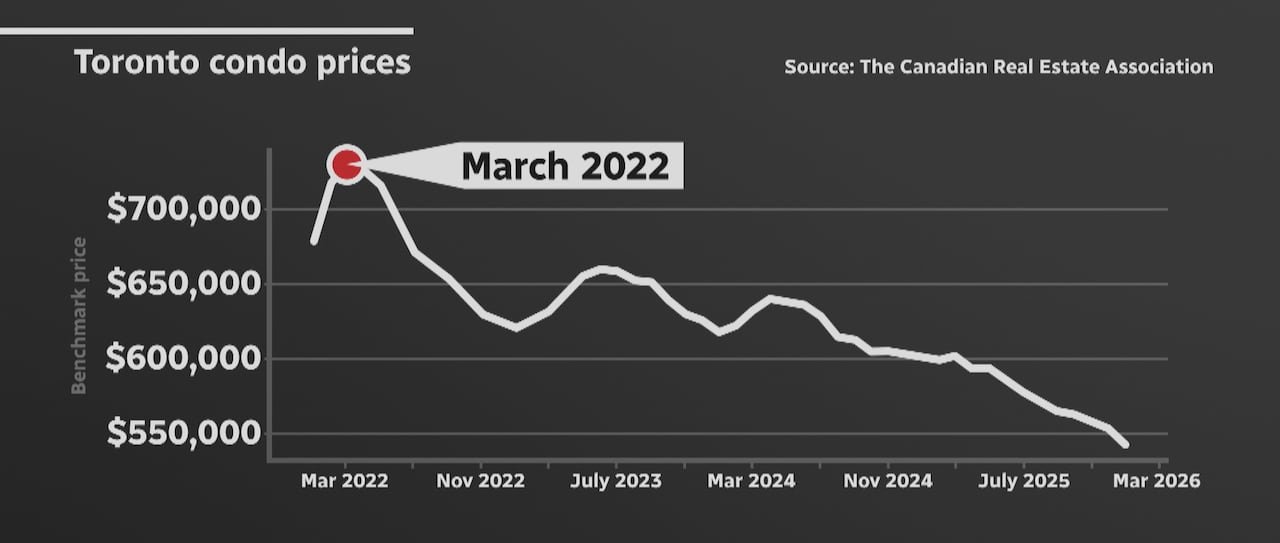
Apartment prices in Toronto have decreased by approximately 25 percent from their peak in 2022, presenting challenges for buyers like Almeida who may need to cover the gap between the appraised value and the initial purchase price.
According to mortgage broker Ron Butler, buyers facing this predicament may have limited options as developers can retain deposits and fees while pursuing buyers for additional costs.
Attempting to assign the property to someone else is not always a straightforward solution, as real estate lawyer Gathya Manoharan explains that securing the builder’s approval for an assignment can involve additional fees and complexities.

As the market faces an oversupply of condos and weak demand, buyers are grappling with the repercussions of their decisions made during a more favorable market climate.
Academic Diana Mok from the University of Guelph suggests that solving these market challenges may not have a simple regulatory solution, drawing parallels to the risks seen in stock markets.
Mok advises buyers to be cautious about committing to fixed prices in a volatile market and avoid following trends without considering the associated risks.