
Prominent leaders from the northern regions are promoting the Arctic economic and security corridor as a pivotal project that could foster economic growth and enhance security. While some express optimism about the potential benefits, opinions remain divided.
Facing a decline in mining activities in the Northwest Territories, Tłı̨chǫ grand chief Jackson Lafferty views the corridor as an opportunity for his community. In collaboration with the Yellowknives Dene First Nation, the Tłı̨chǫ government signed a memorandum of understanding to jointly oversee the project’s development from the N.W.T. side.
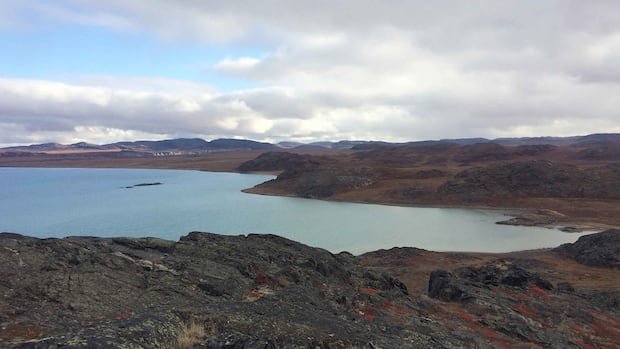
The proposed corridor has garnered attention as a potential project for expedited approval by the federal government. It aims to establish a deep-water port at Grays Bay in Nunavut to accommodate navy vessels and large cargo ships transporting materials from future critical mineral mines in both territories. An all-weather road spanning 230 kilometers would link the port to Jericho Station in Nunavut, connecting to a winter road leading to Yellowknife.
Lafferty has initiated discussions with key stakeholders in Ottawa and abroad, envisioning the project as a means to integrate remote communities like Gamètı̀ and Wekweètì in N.W.T. into the territorial road network. On the Nunavut side, the West Kitikmeot Resources Corp. is spearheading the initiative, with CEO Brendan Bell highlighting the port’s strategic location and potential benefits for nearby hamlets in the Kitikmeot region.
Amidst differing perspectives, Amanda Dumond, manager of the Kugluktuk Hunters and Trappers Organization, expresses reservations about the project’s impact. Concerned about potential short-term and rotational job opportunities, Dumond questions the lasting benefits for the community, emphasizing the importance of sustainable employment.
While Bell remains optimistic about job prospects for Nunavummiut, Dumond’s concerns echo broader apprehensions about the project’s implications for local communities and the environment. Despite the economic and security implications, stakeholders like Nunavut NDP MP Lori Idlout stress the need for a comprehensive approach that prioritizes Arctic sovereignty and community well-being.
Recognizing the project’s environmental repercussions, Bell underscores ongoing efforts to engage with communities and address potential impacts through mitigation measures. He anticipates submitting an impact statement to the Nunavut Impact Review Board in the coming years, emphasizing the importance of environmental stewardship.
With an estimated cost of $1 billion for the Nunavut segment, the project poses significant challenges in terms of funding and logistics. Arlen Foster from Stantec emphasizes the complexities of building a road on permafrost and bedrock, drawing parallels to the successful construction of the all-season Inuvik–Tuktoyaktuk Highway as a testament to Arctic infrastructure development possibilities.
As discussions continue around the Arctic economic and security corridor, stakeholders navigate the delicate balance between economic opportunities, environmental conservation, and community well-being, shaping the future of development in the northern regions.