
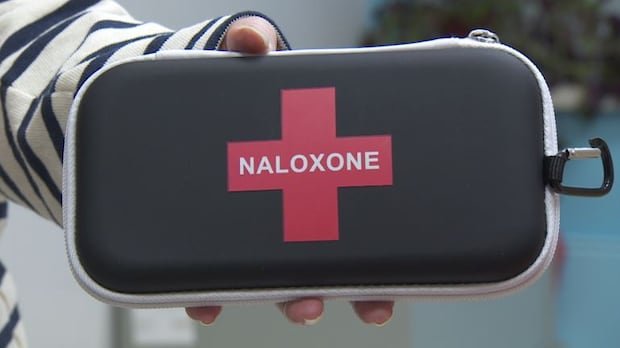

A shelter in British Columbia’s Cowichan Valley faced a shortage of naloxone recently following around 80 cases of toxic drug poisonings within 24 hours, as per officials. Erin Kapela, the executive director of the Canadian Mental Health Association (CMHA) Cowichan Valley Branch, mentioned receiving reports of a significant number of overdoses at a Duncan shelter and the surrounding vicinity starting on the evening of November 18. Describing the situation as unprecedented, she expressed deep concern over the alarming incidents.
According to Island Health Authority, there was a notable surge in toxic drug poisonings on the mentioned night. Kapela disclosed that approximately 80 cases of poisonings were recorded between November 18 and 19. Fortunately, no fatalities had been reported as of November 25, which she attributed to the swift actions of first responders, shelter personnel, and local residents in providing naloxone to those in need.
The distribution of naloxone, a life-saving opioid overdose reversal medication, was so extensive that the shelter exhausted its supply and had to request replenishment the following day due to the high demand. Island Health collaborated to ensure additional naloxone was delivered to the shelter, although the health authority itself did not encounter shortages. Kapela attributed the rise in poisonings to the presence of highly toxic substances in the illicit drug supply.
Subsequently, Island Health issued a warning about drug poisoning overdoses in the Cowichan Valley, cautioning against the use of unregulated substances due to the heightened risk. The advisory aimed to raise awareness and promote safer practices among individuals in the area. In a separate development, data revealed a decrease of 31% in unregulated drug-related deaths in B.C. this year compared to two years ago, aligning with a broader declining trend across North America.
Kapela emphasized the importance of ensuring stable housing with comprehensive support to prevent similar crises in the future. By prioritizing proper care and accommodation for individuals, she believes that proactive measures can effectively mitigate such incidents and safeguard the community.