
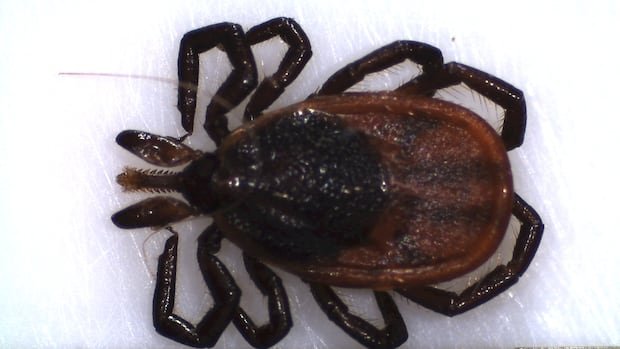

Experts warn that despite Nova Scotia experiencing a snowy winter, the tick population may not be significantly reduced this year. The deep snow cover acts as insulation for ticks, allowing them to survive the cold temperatures. Researchers indicate that many ticks are likely to have made it through the winter and will resurface soon.
While there were cold snaps in December and January, the sustained tick-killing temperatures occurred after the snow had already protected them. Ticks typically seek sheltered areas under leaf litter during winter, where they can survive without feeding for extended periods. Extreme cold below –10 C without protective cover can lead to their mortality.
According to tick researcher Jantina Toxopeus, ticks freeze at temperatures below –15 C, but they can adapt to slower temperature changes. Despite extreme cold spells in the past, the tick population has shown resilience. Therefore, experts predict that this year’s tick season will not differ significantly from previous years.
In conclusion, the snowy winter in Nova Scotia is unlikely to have a substantial impact on the tick population. Ticks have demonstrated their ability to survive harsh conditions, indicating a steady tick population for the upcoming season.