

The United Nations’ climate discussions kicked off on Monday near the Brazilian Amazon with a focus on ramping up efforts to combat global warming by significantly cutting down on carbon emissions. However, key U.S. representatives were notably absent from the event.
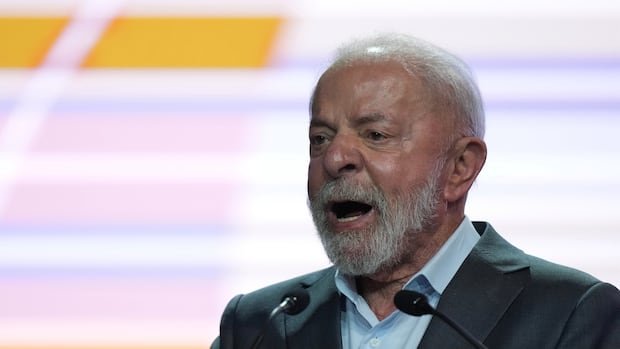
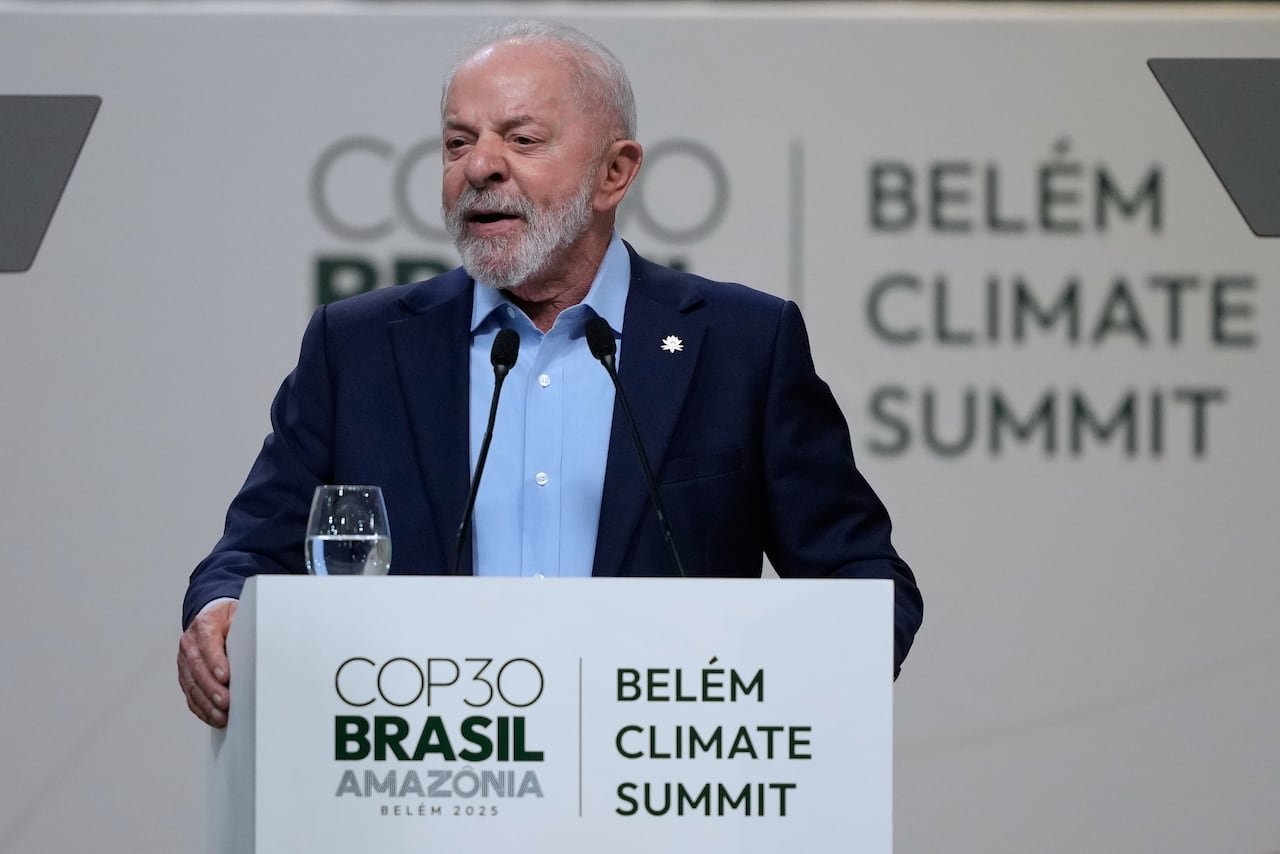
Brazilian President Luiz Inacio Lula da Silva underscored the importance of addressing the climate crisis as a matter of equality, stating that the impacts of global warming exacerbate existing inequalities. By selecting Belém as the host city, he aimed to highlight the direct effects of climate change on the Amazon region and poverty.
President Lula emphasized that the rising global temperatures disproportionately harm vulnerable communities, leading to increased suffering and devastation. These discussions are part of the ongoing Conference of the Parties (COP30).
This year’s discussions are not anticipated to yield a groundbreaking agreement but are seen as a platform for implementing existing commitments. Participating countries were tasked with presenting updated national strategies to combat climate change.
Participants stressed the importance of collective action, emphasizing that individual nations alone cannot sufficiently reduce greenhouse gas emissions, as highlighted by U.N. climate secretary Simon Stiell.
“Your collective effort is vital in combatting the climate crisis,” Stiell urged negotiators.
Andre Correa do Lago, the conference’s president, called for a spirit of “mutirão,” a term derived from an Indigenous language signifying a collaborative effort towards a common objective.
U.S. Absence from Summit
The United States’ absence, attributed to President Donald Trump’s skepticism towards climate change, poses a challenge to the collective efforts. The U.S. government did not send high-ranking officials and has withdrawn for the second time from the Paris Agreement, a landmark global accord aimed at combating climate change.
The Paris Agreement aimed to restrict global warming to 1.5 degrees Celsius above pre-industrial levels, a target that many experts now believe is increasingly difficult to achieve. The U.S., historically a major emitter of carbon dioxide, has contributed significantly to the accumulation of greenhouse gases in the atmosphere.
President Lula condemned climate misinformation without directly naming the absent American delegation, emphasizing the significance of truth and science in addressing climate change.
“COP30 is a moment for truth,” President Lula affirmed. “It’s time to defeat climate change denial and uphold scientific knowledge and institutions.”
<