
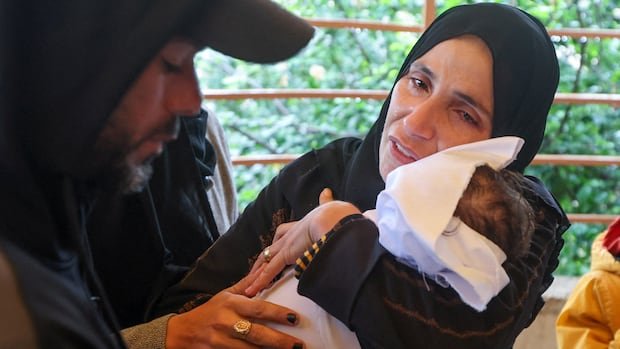

Torrential rain caused flooding in the Gaza Strip, affecting hundreds of tents housing families displaced by prolonged conflict. Tragically, an eight-month-old baby girl, Rahaf Abu Jazar, succumbed to the cold after her family’s tent in Khan Younis was inundated. Her grieving mother, Hejar Abu Jazar, recounted finding her daughter lifeless in the rain-soaked tent, expressing profound sorrow.
In response to the crisis, efforts were made to clear water and debris from flooded areas and protect shelters from inclement weather. Residents voiced concerns about the inadequate protection provided by the tents, with some resorting to makeshift measures to cope with the harsh conditions.
Municipal and civil defense authorities struggled to address the storm’s impact due to fuel shortages and damaged equipment, a situation exacerbated by the destruction of essential resources during the conflict. The dire situation prompted calls for urgent international assistance to provide proper shelter for the displaced population.
The United Nations highlighted the precarious conditions faced by over 850,000 individuals residing in flood-prone displacement sites, emphasizing the critical need for additional tents and improved shelter infrastructure. Despite a ceasefire in place, the region’s infrastructure remains severely compromised, posing ongoing challenges to residents.
Concerns were raised about insufficient aid reaching Gaza, with reports of blocked essential items exacerbating the humanitarian crisis. Humanitarian organizations and rights groups condemned the lack of assistance, citing the vulnerable position of displaced individuals enduring harsh winter conditions without adequate shelter or resources.
As Palestinians continue to grapple with the aftermath of conflict, the need for sustained aid and support remains paramount to alleviate the suffering and address the urgent humanitarian needs in the region.