
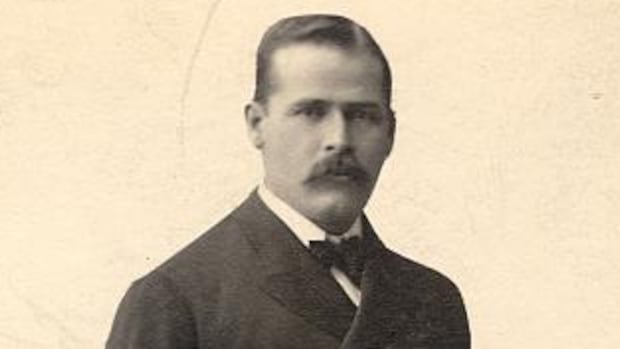

Long before the inception of the Calgary Stampede, a different breed of cowboy was drawn to the city. Harry Longabaugh, famously known as the Sundance Kid, is renowned for his audacious exploits in bank and train robberies as part of Butch Cassidy’s Wild Bunch. However, his brief period as a cowboy and entrepreneur in southern Alberta remains a lesser-known segment of Wild West lore.
Historical records indicate that the Sundance Kid spent approximately three years in Alberta during the early 1890s. During this time, he purportedly worked as a ranch hand at the Bar U Ranch south of Longview, established a saloon at Calgary’s Grand Central Hotel, and encountered legal trouble with the North-West Mounted Police for alleged mistreatment of animals.
According to American researcher Daniel Buck, the Kid’s sojourn in Canada was a temporary pause in his nomadic lifestyle of ranching, cowboying, and occasional criminal activities. Buck, along with his wife Anne Meadows, delved into the outlaw duo’s South American escapades in the early 1990s, unraveling the mystery surrounding their fate in a 1908 skirmish with Bolivian cavalry.
Their investigation unearthed various pieces of evidence, including 1891 Alberta census records listing Longabaugh as a 25-year-old horse breaker at the Bar U Ranch and a 1901 Calgary Herald article reporting a murder warrant issued in Texas for a “former Calgarian” bearing the same name.
Despite the Sundance Kid’s extensive coverage in American literature, his Canadian exploits had largely been overlooked until Buck and Meadows shed light on them in a publication for the Western Outlaw-Lawman History Association Journal in 1993.
Apart from a brief encounter with animal cruelty charges in Calgary, which Buck believes were unjustly framed, the Sundance Kid maintained a clean record during his time in Canada.
The reasons behind the Kid’s Canadian venture remain mysterious, filling the gaps in his enigmatic life between his release from a prison term in Wyoming and his suspected involvement in a train robbery. Toronto Star crime journalist Peter Edwards noted that seeking refuge in Canada was common among American outlaws like the Sundance Kid, drawing parallels with Al Capone’s rumored hideout in Moose Jaw, Saskatchewan.
The Sundance Kid’s travels extended to southern Saskatchewan, where he and his accomplices sought sanctuary after their criminal escapades. Partnering with Frank Hamilton, Longabaugh ventured into the saloon business in Calgary, a move that Edwards finds unlikely for a young cowboy to finance legitimately.
The Sundance Kid’s ability to lead a dual existence on both sides of the border intrigues Edwards, who views his transition from a criminal in the U.S. to a respectable worker in Canada as captivating.
While his criminal inclinations before and after his Canadian stint remain a puzzle, researchers like Buck attribute the Sundance Kid’s outlaw path to the allure and profitability of bank and train robberies amid a challenging cowboy lifestyle.
Following a string of robberies in the U.S., the Sundance Kid, Butch Cassidy, and Etta Place fled to South America in the early 1900s. While Cassidy and the Kid are believed to have met their demise in Bolivia in 1908, Place vanished without a trace, leaving behind a legacy that intertwines American frontier tales with the Sundance Kid’s tranquil Alberta residency.
As Vicky Kelly aptly noted in the Glenbow Journal of 1970, the Sundance Kid’s peaceful cohabitation in Alberta for three years serves as a unique connection to the American frontier.