
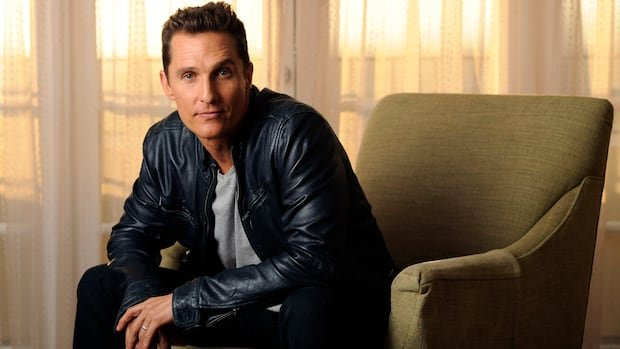

Matthew McConaughey and Michael Caine have recently partnered with ElevenLabs, an AI company, to lend their voices for digital replication. ElevenLabs, established in 2022, offers brands the opportunity to utilize the voices of celebrities and historical figures for various content and advertising purposes. McConaughey, an investor since 2022, announced that his newsletter, Lyrics of Livin’, will be translated into Spanish using his voice through ElevenLabs. On the other hand, Caine has authorized the use of his voice through the company’s Iconic Marketplace and ElevenReader text-to-audio app.
According to Caine, the aim is not to replace voices but to enhance them and provide opportunities for emerging storytellers. ElevenLabs already features a range of synthetic performers, obtained either through collaborations with current actors or by replicating historical and archival audio, including voices like Liza Minnelli, Art Garfunkel, Maya Angelou, Mark Twain, Thomas Edison, and J. Robert Oppenheimer.
The platform prides itself on a “performer-first approach,” emphasizing respect, consent, and creative authenticity in an entertainment landscape divided between those resisting the integration of generative AI tools and those embracing them. Despite concerns about privacy and misinformation following OpenAI’s release of the Sora 2 text-to-video AI model and the AI video Sora app in October, the company has prioritized addressing issues raised by celebrities and industry stakeholders.
Notably, the acting union has expressed caution regarding generative AI potentially impacting performers’ job opportunities in the industry. While some unions have protested against the emergence of “synthetic performer” Tilly Norwood, major players like Netflix and Warner Music Group continue to invest in AI technologies for various applications, from content recommendations to music creation.
While the industry champions the benefits of generative AI, skeptics warn of a potential investment bubble that could have far-reaching consequences. Despite the growing acceptance of AI in entertainment, figures like Hayao Miyazaki, Werner Herzog, and Guillermo del Toro have voiced strong opposition to its use in their creative endeavors, citing concerns about its impact on artistic integrity and human creativity.