

Environment and Climate Change Canada has recently revamped its weather warning system nationwide. Instead of the traditional general watches and warnings, a new colour-coded, risk-tiered system has been introduced to provide a clearer understanding of how upcoming weather conditions may affect individuals and what preparations should be made.
The updated system, in line with suggestions from the World Meteorological Association, mirrors changes already adopted by 31 weather agencies in Europe. Environment and Climate Change Canada will continue issuing familiar warnings such as severe thunderstorm alerts, rainfall advisories, snowfall notifications, and wind warnings throughout the year. Special weather statements, represented in grey, will also persist, offering details on significant or interesting weather phenomena that fall short of warning criteria.
Each warning will now be associated with a colour-coded alert level (yellow, orange, or red) based on the anticipated impacts of the weather event and the level of forecast certainty. The severity of the alert level corresponds to the potential impact and the confidence in the weather event causing those impacts.
Yellow alerts, the most common, cover a wide range of weather situations that could pose hazards or disruptions, influencing travel and potentially affecting air quality or triggering heat warnings. Orange alerts signify more severe storms capable of causing widespread or significant damage, like extensive power outages from ice storms or prolonged winter storms.
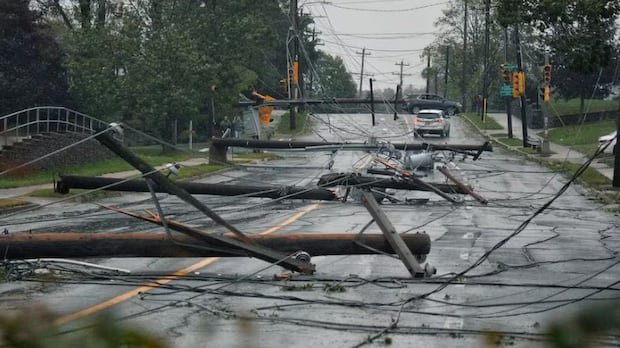
Red alerts, the highest level, indicate imminent dangerous or life-threatening weather conditions, leading to extensive disruptions in travel and power supply, along with widespread property and infrastructure damage. Examples include impactful events like Hurricane Fiona and major snowstorms.
The primary aim of this new system is to enhance preparedness for severe weather by focusing on its potential impacts. When a warning is issued, it is crucial to review the information provided to understand the weather scenario covered and take appropriate precautions to ensure safety.