
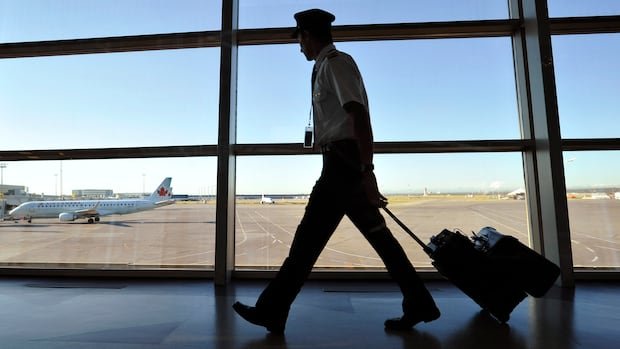

Canadian travelers may face disruptions in the upcoming year as most major airlines in the country gear up for negotiations with their respective unions. While the possibility of a strike or lockout is uncertain during these talks, recent incidents have highlighted potential turbulence in the industry.
Air Transat narrowly averted a strike by reaching a tentative agreement with its pilots after flights were canceled, mirroring past disputes at Air Canada and WestJet. As negotiations continue, WestJet is set to engage with flight attendants, Air Canada with ground crew and baggage workers, and Porter Airlines with pilots, dispatchers, and flight attendants.
The prevalence of contract disputes stems from the expiration of long-term deals signed years ago, aiming to stabilize airlines during financial challenges. However, changing industry dynamics and economic shifts have led to increased demands from unions seeking to address current issues.
Industry experts warn of possible disruptions in the future, with ongoing negotiations and frosty relationships between airlines and unions. While government intervention has historically played a role in resolving labor disputes, repeated reliance on such measures could impact future negotiations and lead to more conflicts.
Travelers are advised to stay informed about contract expiration dates, consider alternative travel options, and possibly invest in travel insurance to mitigate risks during potential labor disputes. Despite challenges, both unions and airlines aim to secure collective agreements for stability in the industry.