

Cadence Wille hails from a family deeply rooted in car and motorsport traditions. Her maternal grandfather worked as an automotive technician, while her dad’s side managed a classic car museum and racetrack. Despite this background, Wille only began following Formula One in 2020, and from that moment, she became captivated by the sport.
In recent years, Formula One has transitioned from a niche motorsport to a mainstream fixation in Canada and the U.S., largely attributed to the popular Netflix documentary series, “Drive to Survive.” This global entertainment powerhouse and lifestyle brand has witnessed a surge in popularity, driven by a new wave of online content creators like Wille endorsing the sport. These creators engage fans through memes, race reactions, unraveling the sport’s intricacies, and attracting new enthusiasts.
Wille initiated her content creation journey in 2024 under the alias @cadencebraking, amassing over 100,000 followers on Instagram and TikTok combined. She points out the significant presence of women in the F1 social media sphere, providing a platform for female professionals in motorsport to share their experiences and insights.
Tiggy Valen, a California-based F1 content creator and host of the “Paddock Project” podcast, began producing content in 2022 with beginner-friendly explainer videos to bridge the gap for new fans. Valen emphasizes the importance of building a community for predominantly female fans who lacked avenues to discuss their passion for the sport.
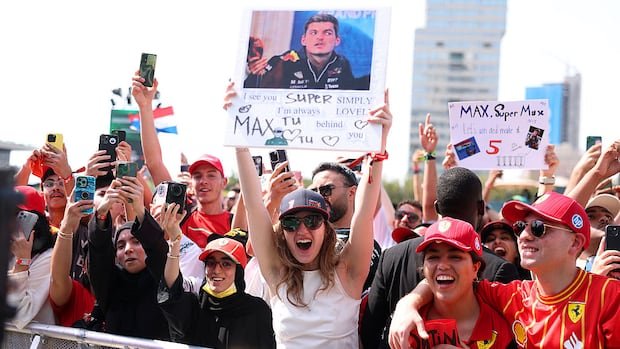
The evolving fan base of Formula One now comprises a younger and more diverse demographic, with 42% under 35 years old and 41% female. This shift has transformed F1 into one of the fastest-growing sports globally, attracting a more eclectic and inclusive audience.
James Hinchcliffe, a Canadian racecar driver and F1TV analyst, acknowledges the rapid evolution of F1’s audience and the sport’s efforts to become more accessible and diverse. The sport has seen a significant transformation, embracing social media interactions, engaging content creation culture, and diversifying its fan base.
Furthermore, F1’s commercial landscape has expanded, with teams valued at over $5 billion on average. The sport’s appeal to women as fans and consumers has led to collaborations with beauty brands, altering the sponsorship landscape previously dominated by tech and betting companies.
Women’s representation within F1 has significantly increased, with more women assuming high-profile technical roles traditionally held by men. Laura Mueller’s appointment as the first female race engineer in F1 and the launch of F1 Academy, an all-female racing series, are notable milestones in promoting gender diversity within the sport.
Despite these advancements, there is still progress to be made in achieving gender equality across all roles within F1. However, the growing influence of female fans is driving positive changes and demanding increased representation and accountability within the sport.