
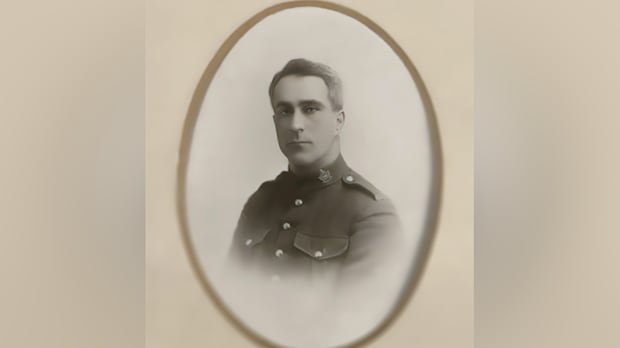

Human remains discovered during a construction project in France in 2020 have been confirmed to belong to Albert Henry Detmold, a soldier from Manitoba who fought in the First World War.
Private Detmold, who was 33 years old, lost his life on August 15, 1917, during the Battle of Hill 70 near Loos-en-Gohelle, France.
The Department of National Defence and the Canadian Armed Forces revealed the confirmation of his identity after thorough historical, genealogical, anthropological, archaeological, and DNA analysis.
Born in Hamburg, Germany, in 1884 to a notable British family, Detmold was the son of Frederick William and Nellie Rita (née Isaacs) Detmold. His maternal uncle, Rufus Isaacs, served as the first Jewish chief justice of England.
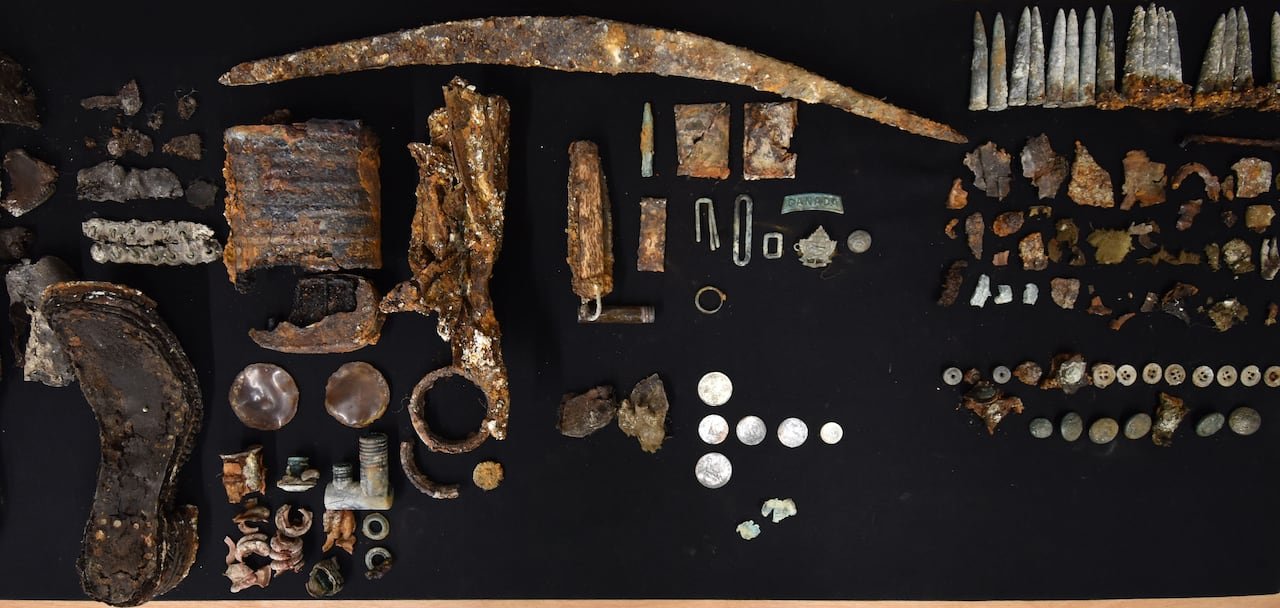
Despite being born into a Jewish family, Detmold identified as Presbyterian when he immigrated to Canada with his older brother, Julius Frederick (Fred), in 1902 from London, England.
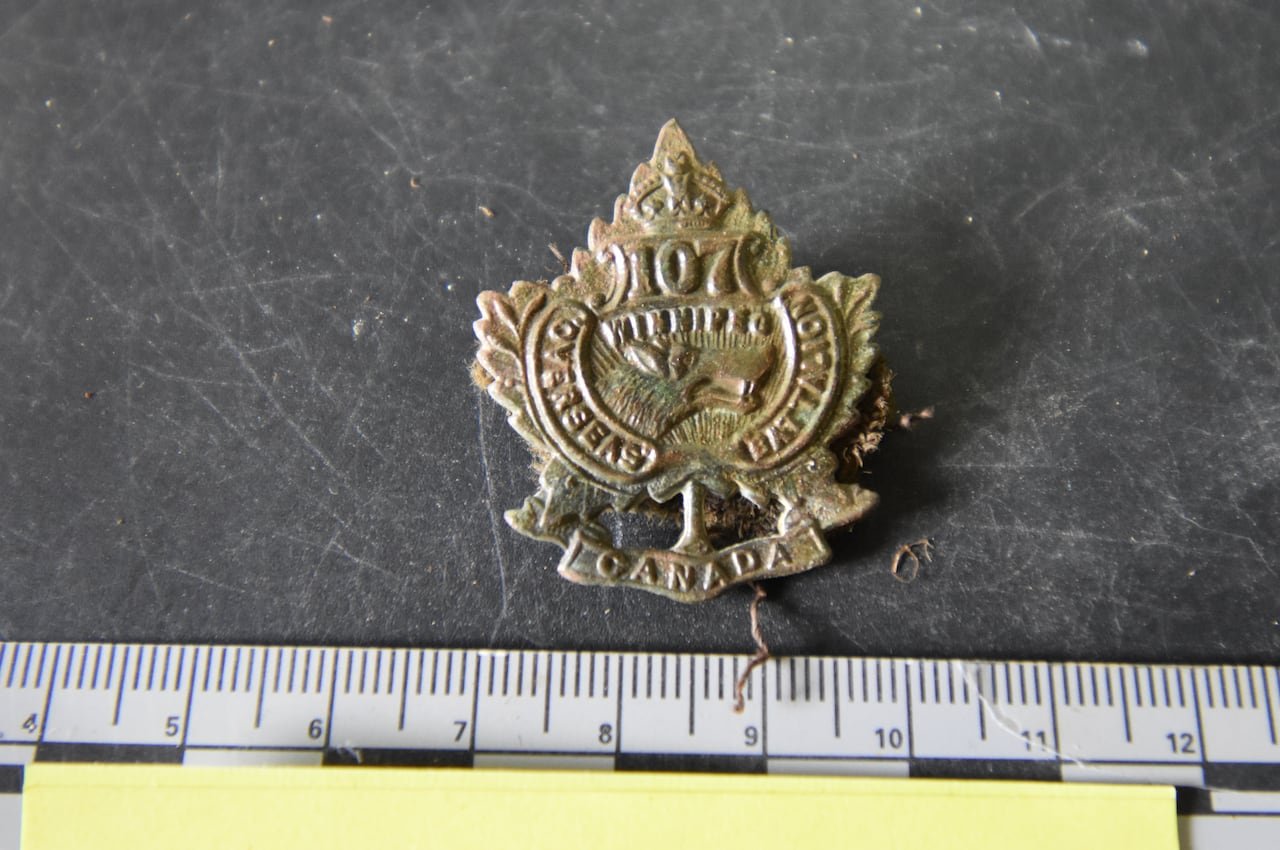
Detmold settled in Manitoba and enlisted in February 1916 in Winnipeg, joining the 107th Overseas Battalion, Canadian Expeditionary Force, known as the 107th (Timber Wolf) Battalion or the 107th (Winnipeg) Battalion.
Alongside his brothers, Fred and Godfrey William, who served with the Australian Imperial Force and the Royal Flying Corps, respectively, Detmold underwent training in Canada before the 107th Battalion was transformed into a pioneer battalion upon reaching Britain.
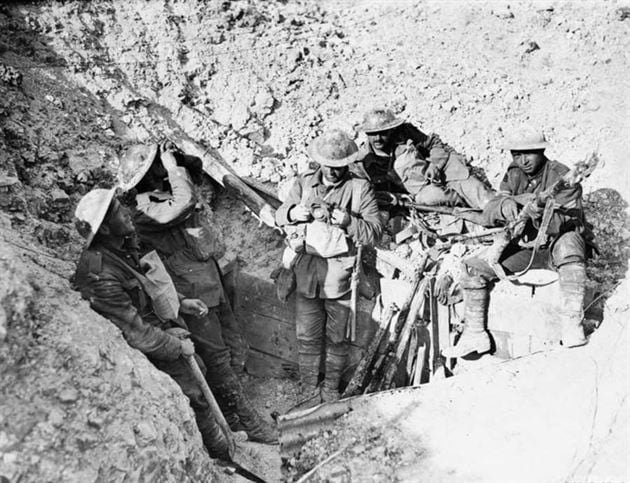
In late February 1917, Detmold and the 107th Battalion were stationed in France to prepare for the Vimy Ridge attack, engaging in tasks such as cable installation, railway maintenance, and road clearance.
During the Battle of Hill 70 on August 15, 1917, Detmold and his fellow pioneers worked amidst heavy enemy fire to establish communication trenches between the old and newly captured positions.
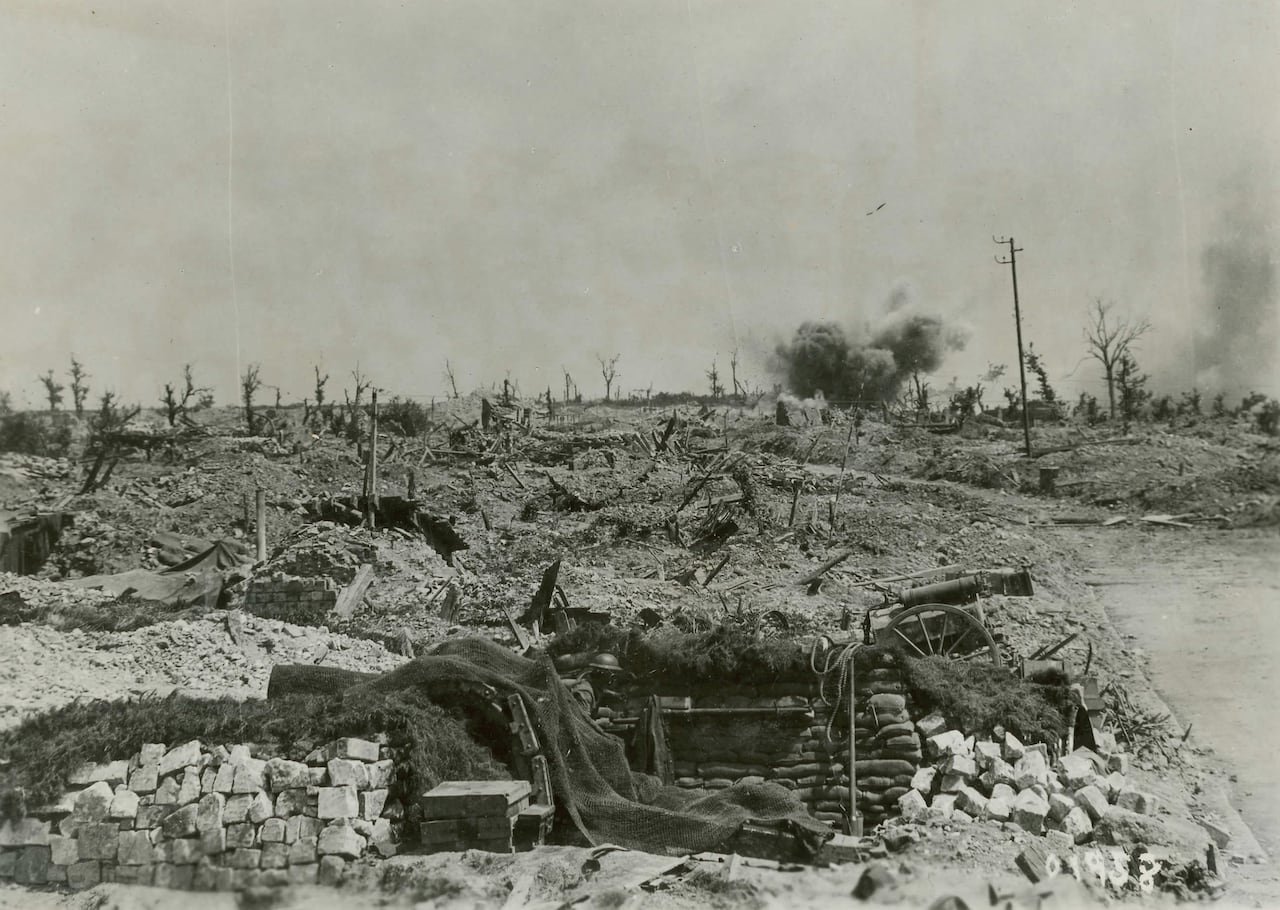
The Canadian Corps, led by Lt-.Gen. Arthur Currie, achieved a significant victory at Hill 70, marking the first instance where all Canadian divisions fought under Canadian command.
Notably, around 100,000 Canadian soldiers participated in the battle, diverting German forces from the Ypres Salient and aiding the Allied cause.
Despite its strategic impact, the Battle of Hill 70 incurred a high cost, resulting in over 9,000 Canadian casualties and approximately 25,000 German casualties.
Despite