

Human activities exacerbating climate change led to 2025 being among the top three warmest years on record, as per scientists. This year marked the first instance where the three-year average temperature surpassed the 1.5°C limit set in the 2015 Paris Agreement to curb warming since preindustrial times. Experts emphasize that keeping global temperatures below this threshold is crucial to saving lives and averting severe environmental damage.
An analysis by researchers from World Weather Attribution (WWA), unveiled in Europe on Tuesday, highlighted the impact of dangerous weather extremes driven by a warming Earth. Despite the presence of a La Niña, a natural cooling phase affecting global weather patterns, temperatures remained high. The continued burning of fossil fuels, such as oil, gas, and coal, was identified as a key factor in releasing greenhouse gases that contribute to planetary warming.
-
Study: Climate change amplifies cyclone damage in parts of Asia
-
New study links worsening heat waves to climate change
“If we fail to swiftly halt the burning of fossil fuels, it will be immensely challenging to meet the warming target,” stated Friederike Otto, co-founder of WWA and a climate scientist at Imperial College London, to The Associated Press. Otto emphasized the increasing clarity of scientific evidence.
2025’s Most Deadly Disasters: Heat Waves
Every year, extreme weather events claim numerous lives and result in substantial economic losses. WWA researchers identified 157 severe weather incidents in 2025, with 22 closely scrutinized for their impact.
Notably, the WWA highlighted heat waves as the deadliest extreme weather events in 2025. Some of the heat waves observed during the year were ten times more likely due to climate change compared to a decade ago, according to the researchers.
“The heat waves witnessed this year are now common occurrences in our climate, but their occurrence would have been highly improbable without human-induced climate change,” Otto remarked.
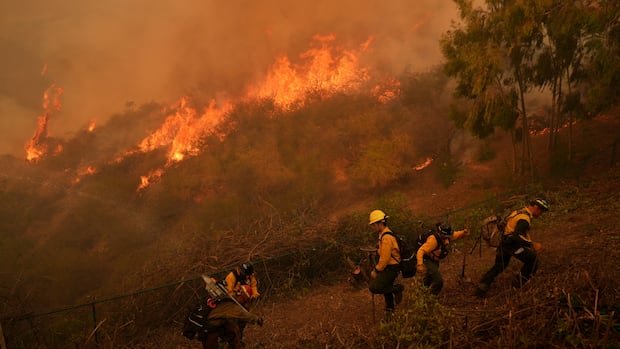
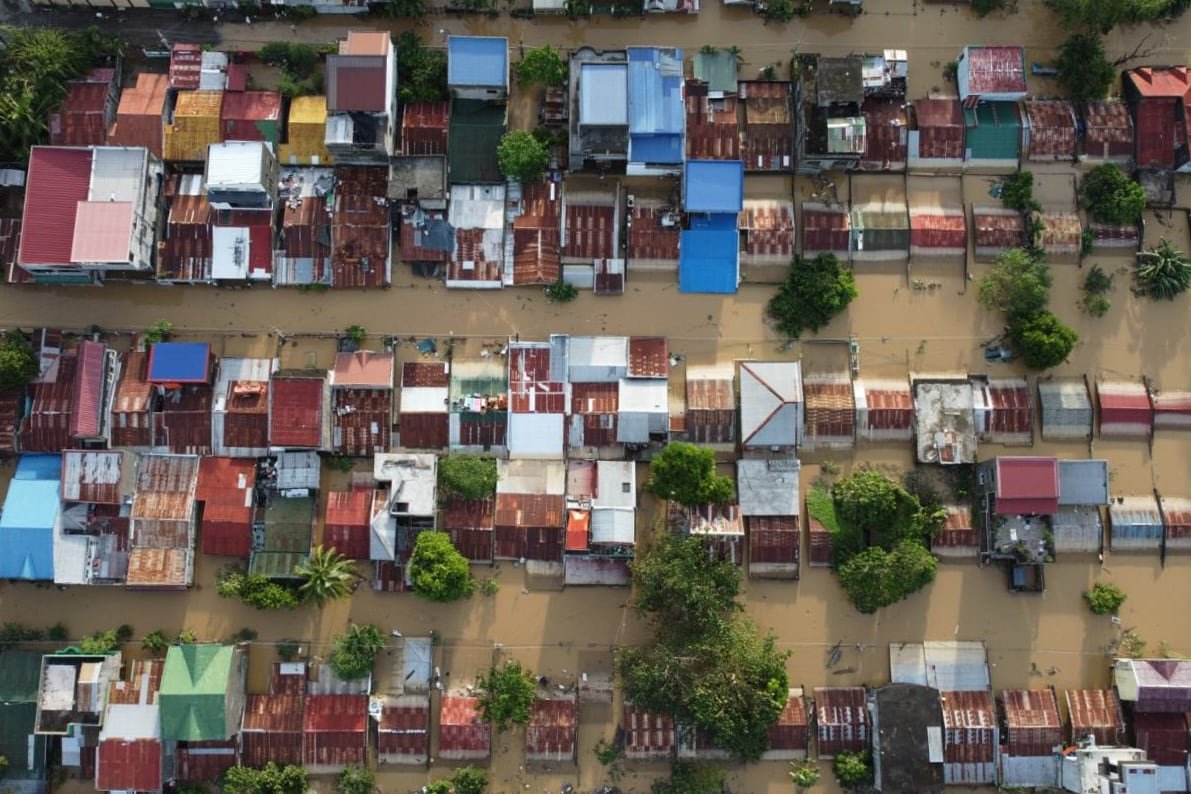
Additionally, prolonged drought conditions contributed to devastating wildfires in Greece and Turkey, while Mexico experienced deadly flooding from torrential rains. Super Typhoon Fung-wong forced over a million individuals in the Philippines to evacuate, and India faced monsoon deluges causing floods and landslides.