
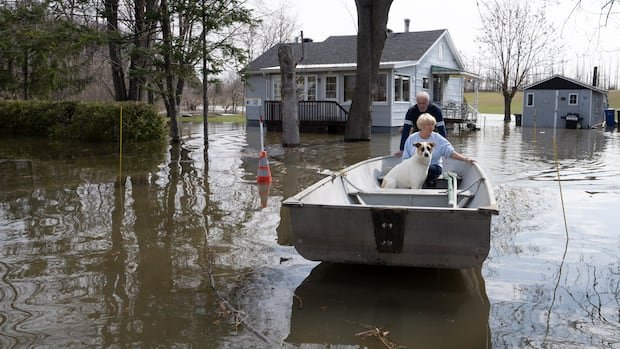

A recent report from the Auditor General’s office highlights concerns regarding Canada’s flood risk management. The report indicates that a promised online portal for Canadians to assess personal flood risk based on their addresses is not operational. Furthermore, even when functional, the portal will not consider climate change impacts. Delays in sharing crucial flood maps for planning and protection purposes have also been criticized.
According to the report, the absence of climate change projections and comprehensive flood maps complicates long-term planning decisions related to housing and infrastructure development. The inadequate information could exacerbate Canada’s housing crisis by exposing citizens to escalating risks and higher disaster recovery costs.
The report emphasizes the necessity for up-to-date information to guide informed decisions on building homes and infrastructure. It warns that without considering changing flood risks due to climate change, the effectiveness of the flood risk portal remains limited. About 80% of densely populated areas in Canada are situated within flood hazard zones, leading to increasing post-flood relief expenditures by the federal government.
Notably, the report mentions that the current flood risk assessment portal lacks climate data integration due to proprietary constraints. Public Safety Canada is working on a new system with academic and governmental support to incorporate climate data and enable regular updates. However, the timeline for public access to this improved system remains uncertain.
The report also highlights the importance of improved flood mapping to aid in land-use planning decisions and reduce overall flood risk. While progress has been made in mapping high-risk areas, the government has faced challenges in prioritizing and making these maps publicly available as per national commitments.
Enhanced flood maps, when effectively utilized, can guide decisions on housing and infrastructure development, ultimately reducing risk profiles and enhancing insurance affordability and adequacy across the country. The report emphasizes that delays and gaps in flood mapping initiatives not only endanger Canadians but also exacerbate the existing housing crisis.