
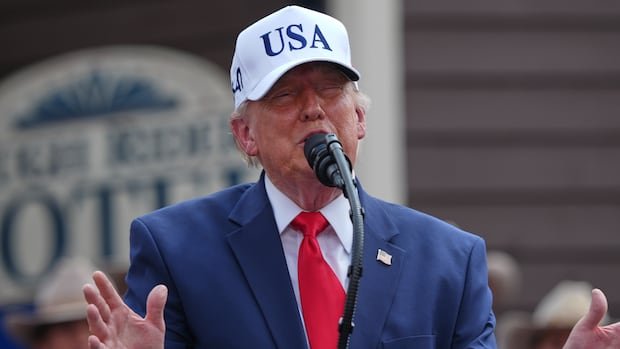

The U.S. surprised many by announcing it would not extend the trilateral free trade agreement with Canada and Mexico. The fate of the Canada-United States-Mexico Agreement (CUSMA) is uncertain as renegotiations loom, although the deal remains in force for another decade. President Trump has not threatened to withdraw from the agreement, likely due to support for CUSMA among Republicans in Congress, especially from agricultural states.
Rather than terminating the agreement, the Trump administration aims to renegotiate certain terms to address trade deficits. U.S. Trade Representative Jamieson Greer expressed a desire to engage with Mexico and Canada to enhance CUSMA. Possibilities include establishing protocols with each country to improve the agreement.
Canada-U.S. Trade Minister Dominic LeBlanc is open to discussing bilateral deals with the U.S. and Mexico. However, it remains uncertain whether compromises can be reached on key trade issues. The U.S. seeks more American-made content in automobiles and greater access to Canada’s dairy market, while Canada pushes for reductions in U.S. tariffs on steel, aluminum, and autos.
Trade expert Simon Lester questions the feasibility of significant concessions from Canada and Mexico. With the July 1 deadline passed, the timeline for revising CUSMA is unclear. While some anticipate a deal before the midterm elections, others suggest negotiations could extend beyond 2027. The text of CUSMA allows for annual renegotiations until 2036, but a quick resolution is preferable for the U.S. to avoid prolonged talks.