
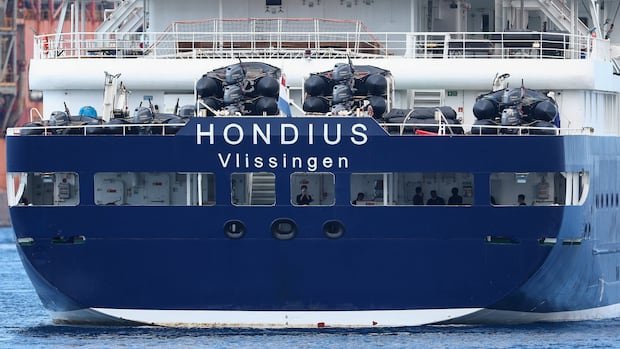

Passengers aboard a cruise ship struck by a fatal hantavirus outbreak are being flown back to over 20 countries for quarantine, including individuals from Spain, France, and the United States who tested positive. Military and government aircraft began transporting passengers back home after the ship docked in the Canary Islands. Crew members and guests were safely transferred to waiting planes, with a total of 35 crew and 87 guests being repatriated, while a few crew members remained onboard to sail the ship back to the Netherlands.
The World Health Organization (WHO) reported seven confirmed cases of the Andes strain of hantavirus, along with two suspected cases, one of which was fatal. Health authorities noted that the risk to the general public remains low despite the outbreak on the cruise ship. While there is no specific cure or vaccine for hantavirus, early detection and treatment can enhance survival rates.
The ship’s captain, Jan Dobrogowski, expressed gratitude towards passengers and crew for their resilience and called for privacy during this challenging time. Several passengers from the ship, including a Spaniard in Madrid, a French woman, and an American in Nebraska, tested positive for hantavirus. The health condition of these individuals is being closely monitored, with some showing symptoms while others remain asymptomatic.
In South Africa, a British man being treated for hantavirus is reportedly showing signs of improvement. The cruise ship initially departed from Ushuaia, Argentina, and tragically, a Dutch passenger passed away onboard. The WHO reassured the public that the risk of transmission is low, emphasizing the importance of active monitoring and follow-up by passengers’ home countries.
Canadian passengers who disembarked in British Columbia are undergoing quarantine and daily monitoring. Health officials are closely monitoring individuals connected to the outbreak in various provinces across Canada. The WHO Director-General emphasized that the hantavirus outbreak should not cause alarm, as it is not as contagious as COVID-19. The organization recommends continuous health monitoring and follow-up for all passengers returning to their respective countries.