
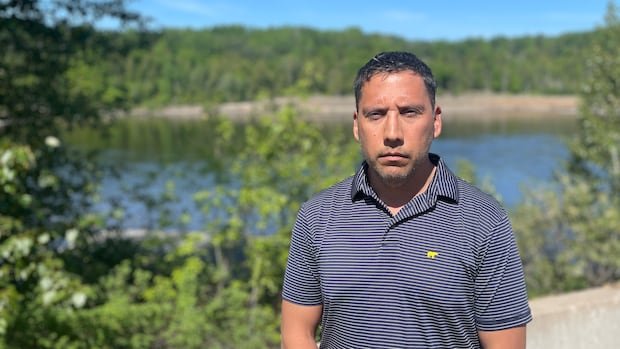

Nicholas, the fishery strategy director for Tobique First Nation, views Atlantic salmon as more than just fish; he sees them as ancestors who have coexisted with humans for generations. The Tobique River, part of the Wolastoq system, once teemed with tens of thousands of salmon in the 1980s, but now only a few hundred return annually to the Mactaquac Dam, as reported by the federal Department of Fisheries and Oceans.
The declining salmon population faces significant challenges, and the closure of the Mactaquac Biodiversity Facility by DFO in the upcoming fall adds to the uncertainties. The facility, vital in sustaining the salmon population, has been instrumental in moving salmon past hydroelectric dams and raising juvenile salmon for upstream reproduction.
With the imminent closure of the facility, concerns loom large for the future of Wolastoq salmon, also known as outer Bay of Fundy salmon. First Nations groups and biologists fear that without DFO’s support, the delicate balance in the ecosystem will be disrupted, potentially leading to the extinction of these salmon.
Nicholas expressed his dismay at the sudden closure announcement in January and the subsequent lack of assistance from DFO in transporting and raising juvenile salmon. This unexpected turn of events has left him scrambling to find alternative solutions to ensure the survival of the salmon population in the Tobique River.
Despite the challenges, efforts to safeguard the salmon continue, with organizations like the Canadian Rivers Institute stepping in to help transport smolts below the Mactaquac Dam. However, the odds are stacked against these young salmon, with research showing that only a minute percentage successfully navigate to the ocean and return for spawning.
The ongoing decline of the salmon population raises questions about the endangered status designation. While scientists have recommended classifying the salmon as endangered due to various threats like dams, invasive species, pollution, and climate change, the federal government’s decision-making process under the Species at Risk Act remains contentious.
Advocates like John Perley, the former fisheries director for Tobique First Nation, emphasize the urgent need for federal recognition of the endangered status of Wolastoq salmon. However, the intricate process involving scientific assessments, political considerations, and socio-economic factors complicates the path to securing protection for the imperiled species.
The plight of the Wolastoq salmon has garnered attention at the federal level, with First Nations representatives like Patrick Polchies and community members addressing the House of Commons fisheries and oceans committee to highlight the critical situation facing these iconic salmon species. The push for continued support from DFO and a concerted effort to address the challenges threatening the salmon’s survival remain at the forefront of their advocacy efforts.
As discussions on the endangered status of the Wolastoq salmon continue, the fate of these precious species hangs in the balance. The federal government’s decision-making process and the collaboration with Indigenous communities will play a crucial role in determining the future of these culturally significant and ecologically vital Atlantic salmon.