
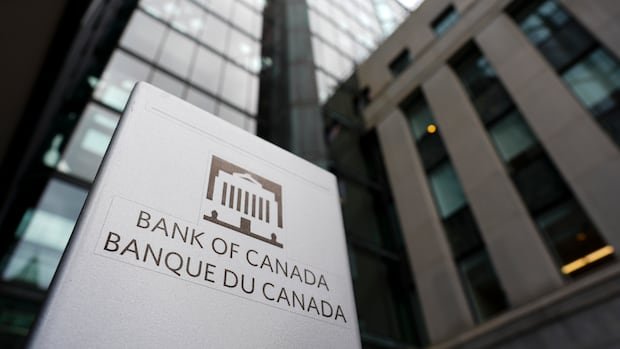

The Bank of Canada opted to maintain its key interest rate at 2.25 percent on Wednesday, in line with expectations. Governor Tiff Macklem indicated that any adjustments to the rate would likely be minimal if the economy progressed as per the central bank’s forecasts. However, he acknowledged the possibility of future alterations depending on evolving risks.
Macklem emphasized, “If the economy tracks closely with the base scenario, policy rate changes are anticipated to be modest.” He also highlighted the heightened uncertainty and the need for adaptable monetary policy given various potential outcomes.
The bank disclosed its close monitoring of the repercussions of the conflict in Iran, which has led to a surge in energy prices, as well as trade policy uncertainties. Presently, the bank is overlooking the impact of soaring oil prices on inflation; nevertheless, sustained high oil prices could prompt rate hikes.
Despite the spike in inflation expected to reach around three percent in April from March’s 2.4 percent, averaging at 2.3 percent for the year, the bank foresees a return to its two percent target by early next year. Additionally, the bank revised its 2026 growth projection to 1.2 percent, up from the previous 1.1 percent estimate in January.
Macklem reassured that current inflation was primarily confined to energy prices, with long-term inflation expectations stable. While short-term inflation expectations surged due to rising energy and food prices, the long-term outlook remained anchored.
The bank assumed that U.S. tariffs would remain unchanged, with the oil price projected to decrease to $75 US per barrel by mid-2027. Macklem cautioned that persistent high oil prices could trigger generalized inflation, necessitating consecutive rate hikes.
Moreover, uncertainties surrounding the ongoing trade war could complicate the economic landscape, potentially leading to further rate cuts if the United States imposes stricter trade restrictions on Canada. Carolyn Rogers, the bank’s senior deputy governor, highlighted the significant short-term impact of the oil crisis and the enduring effects of trade tensions.
According to CIBC economist Avery Shenfeld, the bank’s acknowledgment of these factors suggests a likelihood of maintaining a stable stance for the foreseeable future. The next monetary policy decision is scheduled for June 10, with markets not anticipating a rate adjustment, but pricing in a 25-basis-point increase in October.