
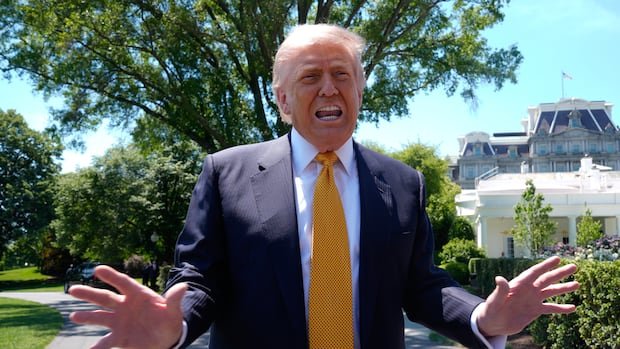

U.S. President Donald Trump addressed reporters before departing for China to meet with President Xi Jinping, emphasizing the importance of preventing Iran from acquiring nuclear weapons. Following U.S.-Israeli attacks in late February, Iran’s move to block the Strait of Hormuz disrupted global trade, leading to increased prices for essential commodities like oil, liquefied natural gas, and fertilizer.
Amidst surging inflation rates, Trump faced criticism for disregarding Americans’ financial struggles. The latest data revealed a significant rise in consumer inflation, with food, rent, and airfares contributing to the highest annual increase in three years. The U.S. Labor Department reported a 3.8% rise in the consumer price index compared to the previous year, with gasoline prices climbing by 5.4%.
Concerns grew as the producer price index surged by six percent annually, indicating potential future inflation impacts on consumers. Gas prices soared, with the average national price approaching $5 per gallon, prompting discussions on a federal gas tax pause to alleviate the economic burden.
While Democrats seized on Trump’s remarks to fuel their midterm campaign messaging, economists warned of impending challenges, foreseeing delayed effects of rising energy costs on food prices. The ongoing Iran conflict raised uncertainty, with potential disruptions to fertilizer supplies affecting agricultural operations.
Lawmakers scrutinized the escalating military budget amid the Iran war, with estimated U.S. expenditures reaching $29 billion. Meanwhile, debates emerged on Capitol Hill over proposed expenditures, including funding for a new White House ballroom, raising concerns about unnecessary expenses amid growing inflationary pressures.