
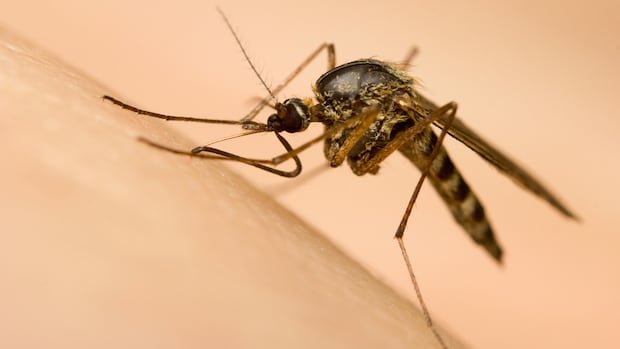

Alberta is currently experiencing a surge in mosquito populations, causing more than just irritation and discomfort. The increase in mosquitoes has resulted in a rise in emergency room visits in the province, particularly among children.
Dr. Andrew Dixon, an emergency room physician in Edmonton, has treated several cases of “skeeter syndrome” this summer. A notable number of children have presented with significant swelling due to mosquito bites, with some cases causing swelling around the eye, leading to concerns although the condition is generally harmless.
According to Dr. Mariam Hanna, a pediatric allergist at McMaster University, “skeeter syndrome” is more common in young individuals and tends to improve with age as the immune system becomes more accustomed to mosquito bites. Symptoms can include red, swollen, and hot skin, with occasional fluid-filled blisters, typically peaking around preschool age and subsiding by the time children reach school age.
Although unsettling for families unaware of the condition, “skeeter syndrome” is localized and not life-threatening, as confirmed by Dr. Hanna, who recommends seeking medical attention if a low-grade fever accompanies the reaction or if there are concerns about the child’s well-being.
The University of Calgary’s Associate Professor John Soghigian has observed a significant rise in mosquito populations across the province, attributed to early and heavy rainfall. The influx of mosquitoes, up to a hundred times more than the previous year in certain traps, has contributed to the prevalence of “skeeter syndrome.”
New residents in Edmonton and Calgary, particularly children unfamiliar with mosquito exposure, are at a higher risk of developing allergic reactions to mosquito bites, including skeeter syndrome. The duration of the mosquito season depends on future rainfall, with last year seeing a delayed increase in mosquito activity after a slow start.
Dr. Hanna suggests various treatments for skeeter syndrome, such as applying ice, using over-the-counter steroid creams, oral antihistamines, and pain relievers for joint discomfort. A public service announcement by Alberta Health Services highlighted a significant number of visits to hospitals due to allergic reactions from insect bites last year.
In light of the situation, Dixon advises concerned individuals to contact Health Link for assistance.