
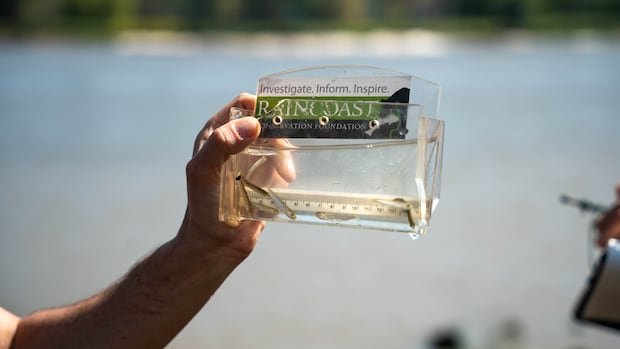

Pharmaceuticals and flame retardants are just some of the numerous chemicals that researchers identified in young chinook salmon residing in the Fraser River estuary. The study, conducted between 2019 and 2021, analyzed samples from hundreds of fish, revealing over 80 contaminants in the salmon tissue alone, likely originating from industrial and wastewater sites upstream. Water samples from the salmon habitat were also investigated, uncovering 130 contaminants.
The research team expressed concerns that these chemicals could be adversely affecting the growth, behavior, and overall health of the chinook salmon. David Scott, the lower Fraser research and restoration director at the Raincoast Conservation Foundation (RCF), emphasized the direct impact of wastewater on fish, citing a range of pollutants from pharmaceuticals and personal care products to pesticides and flame retardants.
Monitoring the Harrison River chinook stock, which matures in the Fraser River estuary, the team sampled both their tissue and habitat at various locations. The study highlighted 16 priority contaminants, such as organic chemicals and pharmaceuticals, with potential adverse effects. Notably, the flame retardant PBDE-penta-total was the sole priority contaminant detected in salmon tissue, while the other 15, including cocaine and pesticides, were found in the water samples from the habitat.
Moreover, the study identified eight additional “watchlist” chemicals in salmon tissue samples that pose elevated biological risks, including pesticides, pharmaceuticals, and other organic chemicals. The research, primarily funded by the Department of Fisheries and Oceans and conducted in collaboration with the RCF and Simon Fraser University, focused on organic chemicals, with co-author Tanya Brown warning that the fish are likely exposed to more untested chemicals not covered in the study.
Brown emphasized the alarming combination of various chemicals to which the fish are exposed, pointing out the presence of over 30,000 high-volume use chemicals in the market, many of which cannot be measured, raising concerns for additional monitoring and attention.
Similar research has been ongoing in Washington state’s Puget Sound for over three decades, tracking contaminants in fish habitats. Molly Shuman-Goodier, a research scientist with the Washington Department of Fish and Wildlife, highlighted the inhibitory effects of synthetic organic chemicals on chinook growth, suggesting potential long-term impacts on return rates.
The implications extend further up the food chain, as chinook salmon, once grown, become prey for southern resident killer whales, known to have high contaminant loads. Human consumption of chinook is also at risk, with organic chemical levels surpassing human health thresholds set by the Washington State Department of Health.
Researchers on both sides of the border believe that these findings can guide better management of chemicals, whether through public policies or individual actions, urging mindfulness in the disposal of pharmaceuticals as a starting point for individual contributions to environmental protection.