
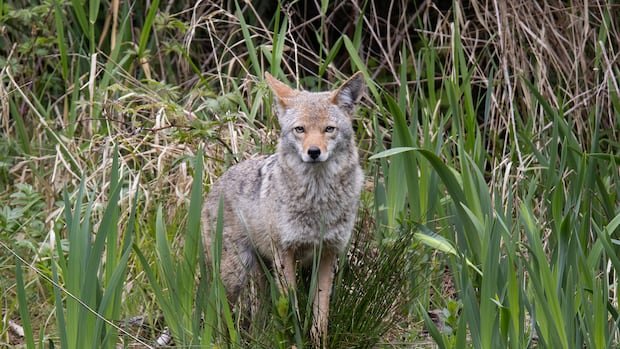

Residents living close to Vancouver’s largest urban park might have felt that the local wild coyotes held a grudge during the COVID-19 pandemic. From December 2020 to August 2021, there were 45 recorded coyote attacks on humans in Stanley Park, prompting the B.C. Ministry of Forests and the B.C. Conservation Officer Service to approve the culling of 11 animals due to the alarming spike.
According to Nathan Lewis, a zoology doctoral candidate, coyote attacks on humans are typically rare occurrences. He mentioned to CBC News that the surge in attacks in Stanley Park was unprecedented and the highest concentration of such incidents reported. The frequency of attacks, averaging one every six days, was unusually high for a small area.
Since 2023, Lewis and his team at the University of British Columbia have been studying why Stanley Park experienced an increase in aggressive coyote behavior. Their recent publication in the scientific journal Animal Behaviour suggests that COVID lockdowns played a role in this phenomenon.
During the lockdowns, more people visited the park as social events were restricted, leading to heightened aggression among habituated coyotes. The animals had become accustomed to human presence, feeling unthreatened during encounters. The study also found evidence of increased coyote feeding during the research period, although feeding wild animals is prohibited under a 2024 bylaw in Vancouver.
In September 2021, two individuals were arrested for allegedly feeding coyotes in Stanley Park shortly after a two-week culling operation. Wildlife conservation advocate Lesley Fox suggested making park garbage cans wildlife-resistant to prevent further incidents. However, Vancouver Park Board’s Dana McDonald stated that existing garbage disposal methods were effective in deterring wildlife access.
The UBC study highlighted that habituated coyotes were more likely to defend their pups aggressively, especially near den sites, with solo runners being at higher risk of attacks. Recommendations included avoiding known den areas to reduce confrontations and educating visitors about the risks during low human activity hours. Fox emphasized the importance of proper signage and multilingual information to enhance public safety.
Fox also stressed the need for strict enforcement of bylaws to prevent future culls, advocating for a combination of education and enforcement to promote coexistence with wildlife.