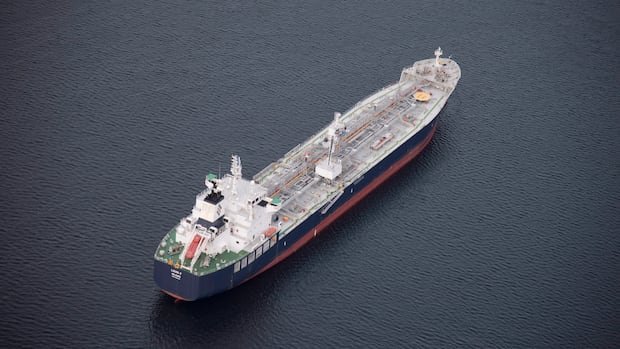
For a considerable period, the movement of oil tankers has been barred in the northern waters of British Columbia to shield ecologically vulnerable coastlines from catastrophic events.
However, the federal government is now considering revising this restriction.
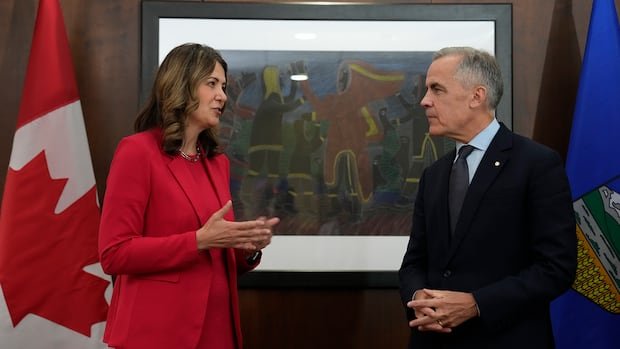
The discussion surrounding the future of the tanker ban emerged following the signing of a memorandum of understanding (MOU) by Prime Minister Mark Carney and Alberta Premier Danielle Smith in November. The MOU outlines the potential steps for constructing a pipeline to transport oil from Alberta to the Pacific coast.
Here is an overview of the oil tanker moratorium and the region it aims to safeguard.
What does the oil tanker traffic ban entail?
The federal government initially enforced an oil tanker moratorium in 1972, but it was officially legislated as the Oil Tanker Moratorium Act in 2019.
The ban encompasses an area stretching from the northern tip of Vancouver Island to the B.C.-Alaska border.
The act prohibits oil tankers from anchoring, loading, or unloading at any port within the designated zone.
It pertains to vessels carrying a cargo exceeding 12,500 metric tons of crude oil or persistent oil products like bitumen and Bunker C fuel, known for slow dissipation and prolonged environmental impact.
The moratorium does not cover refined oil products such as gasoline, diesel, jet fuel, and liquefied natural gas (LNG).
Violating the Tanker Moratorium Act can result in fines of up to $5 million for each non-compliance instance.
What is the voluntary tanker exclusion zone?
The federal government established the voluntary tanker exclusion zone in the late 1980s to create a larger safety buffer between tankers and a significant portion of B.C.’s coast.
This boundary extends approximately 100 kilometers west of Haida Gwaii and roughly 40 kilometers off Vancouver Island.
It primarily targets U.S. tankers ferrying oil between the Trans-Alaska Pipeline System marine terminal in Valdez, Alaska, and refineries in Washington state.
Transport Canada explains on its website that the zone’s size was determined by calculating the worst-case drift scenario of a disabled tanker carrying cargo compared to the time required for rescue operations to reach the vessel.