
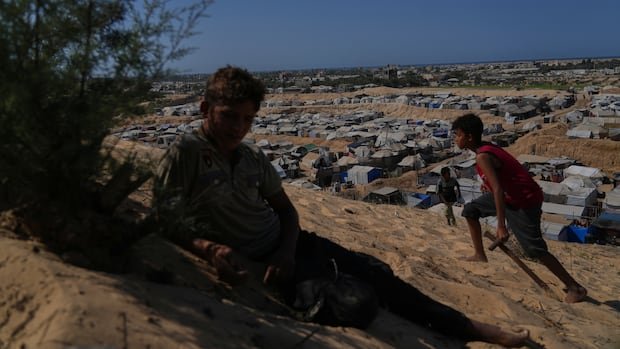

The International Court of Justice (ICJ) ruled on Wednesday that Israel must allow the United Nations Relief and Works Agency for Palestine Refugees (UNRWA) to offer humanitarian aid in Gaza. The UN General Assembly requested the court’s opinion after Israel prohibited UNRWA, the primary aid provider in Gaza, from operating in the region.
According to the ICJ President, Yuji Iwasawa, Israel is obligated to support relief efforts by the United Nations and its entities, including UNRWA. Israel refuted claims of breaching international law, labeling the court proceedings as biased, although it submitted a comprehensive 38-page document for review.
While advisory opinions hold significant legal weight, experts believe this case could have broader implications for the UN and its global missions. Israel’s Foreign Affairs Ministry vehemently rejected the court’s findings, asserting its compliance with international law.
The Israeli ambassador to the United Nations, Danny Danon, criticized the advisory opinion, blaming UN organizations for supporting terrorism. The ongoing fragile ceasefire in Gaza, brokered by the U.S., faced challenges after recent deadly strikes by Israeli forces against Hamas militants.
Hamas’s chief negotiator confirmed Israel’s compliance with aid deliveries under the ceasefire agreement. The UN announced plans to increase aid shipments to Gaza. The ban imposed by Israel on UNRWA earlier this year has been met with criticism, with claims of Hamas infiltration into the organization being refuted.
Israel temporarily halted aid shipments to Gaza, leading to food shortages, and later allowed some aid through the Gaza Humanitarian Foundation. However, conditions deteriorated, prompting international food experts to declare a famine in parts of Gaza. Israel disputed the claims of food shortages, accusing Hamas of hoarding supplies.
Advisory opinions from the ICJ are considered non-binding, but countries are expected to abide by them under the UN treaty. The ICJ’s guidance was sought by the UN General Assembly to ensure the provision of essential supplies to the Palestinian civilian population. Previous advisory opinions from the ICJ have drawn mixed responses from Israel, with disputes over compliance and legality.
The article also touches on the arrest warrants issued by the International Criminal Court against Israeli officials for alleged war crimes and the ongoing conflict in Gaza between Hamas and Israel, highlighting differing casualty figures and perspectives on the situation.